In his work, Tawq al-Hamam (The Dove’s Collar), the Andalusian writer, Ibn Hazm, tells the tale of a man he describes as wise, reasonable and sensible—until the day he travelled to Baghdad and stayed in one of its inns. ‘There, he saw the innkeeper’s daughter, fell in love with her, and married her. When they were alone together, she saw him undressed and, being a virgin, was alarmed by the size of his penis. She fled to her mother and would not see him. Those around her advised her to go to him, but she refused, and came close to death, and so he left her. Regretting his decision, he attempted to win her back but could not, even with the help of al-Abhari and others, for none could find any solution to his predicament. His mind became disordered and he went to stay in the maristan [infirmary], where he suffered for a long time until he had almost recuperated and found consolation, and yet still whenever he recalled her, he would sigh deeply’.
A few years ago, my mind also became disordered, like that of the wise man, but since these days we don’t go straight to hospital for that sort of thing, I decided, for the first time in my life, to visit a psychiatrist. I complained to him for a whole hour: I frequently burst into floods of tears, I slept for hours and couldn’t get out of bed, I was suffering liver problems that the doctors seemed unable to find a reason for, my hair and beard were thinning, I’d resigned from my job several months previously, I saw no reason to live and was overwhelmed by despair, I consumed a vast quantity and variety of drugs which brought me neither pleasure or relief. He listened, then pronounced that my complaints were the side effects of my recent breakup; the psychosomatic symptoms, too, were simply the pains that accompanied the end of an intimate relationship. In another context, I’d have been angry, refusing to see my emotional experience—my epic of shattered love—compared with or ranked alongside the love affairs of others. We all believe that our romantic journeys are unique. But I was drained and in pain, and willing to accept any diagnosis of what was happening to me. I was ready to try whatever the doctor prescribed, without hesitation or objection.
The doctor gave me a strip of antidepressants. They relieved the pain and brought some equilibrium to my disturbed body, but it took time to find ‘consolation’, as Ibn Hazm called the convalescence of the wise man in his story.
Although I fell in love like the wise man, my beloved left me, not because of the size of my penis, but because of its fondness for adventure, along with other reasons too numerous to mention. When I was in the darkest depths of pain after our separation, friends pressured me to get over it as fast as possible, so I decided to get away, and left the city to escape their nagging. On my journey, while I wallowed in my pain and sabotaged any potential chances for future relationships, I discovered a whole breakup industry—an economy of strategies for getting over love.
Ibn Hazm devotes a chapter entitled ‘al-Dana’—a word which describes a sort of gruelling and all-consuming grief—to the pain of love lost and the trials of breakups. It is followed by a chapter entitled ‘al-Suluww’, (‘consolation’), in which he writes: ‘Consolation after a long separation is like the disappointment which enters the soul when it achieves what it has long sought; the intensity of its striving abates and its desire fades away’. Then, through the story of his experience with a courtesan with whom he fell in love as an adolescent, and who accompanied his family on their peregrinations to and from Cordoba before finally leaving him, Ibn Hazm arrives at the first cure for the trials of love and separation, the ‘consolation’ of the chapter’s title: A healing process which he divides into the stages of forgetting, indifference and replacement.
But Ibn Hazm seems to contradict himself, often repeating that any love from which one can be ‘consoled’, and any relationship that can be forgotten, is not to be counted on. For Ibn Hazm, it is not true love. Notice that, unlike in today’s psychoanalytical and romantic writings, in Ibn Hazm’s time, passion and love represented a link to the metaphysical world. Every soul was split in two, and each half sent to this life to search for the half, which would complete it; it was the meeting of a half with its lost counterpart which represented true love, as opposed to the kind of passion which cannot be counted on. Ibn Hazm wrote his Dove’s Collar to help lovers distinguish true love from ephemeral lust, and to guide them past critics and naysayers along its thorny path. All this, of course, sounds very different from today’s discourse, in which the ideal of virtuous love has been replaced by notions of healthy and toxic relationships, balance between the two parties, the importance of equality, respect, and non-exploitation, and other concepts which have filtered through from the realm of political correctness to replace terms for love such as gharam and hawa.
The wise man in Ibn Hazm’s story ended up in the maristan because he was suffering and in pain. At the time, the function of the maristan—an infirmary for the mentally ill—was to relieve pain and suffering, rather than to subdue the patient and ready them for a return to the treadmill of production. There, Ibn Hazm’s wise man did not forget his beloved, but sighed whenever her name was mentioned. He learned, with time, to silence his longing, to control his reactions and to maintain his equanimity. Forgetting one’s beloved was only for false and contemptible lovers.
Today’s breakup advice tends to place forgetting at the centre of its recovery plan. On self-help websites, the foremost piece of advice to heartbroken lovers is usually to forget: Stay away from your ex, keep communication to a minimum, get rid of anything that reminds you of them. After that, the advice gets confusing: Don’t sit in your room moping, go out and meet new people, life is full of pleasures and adventures—but don’t rush into new relationships, because you might get hurt. Put your sadness aside and get out of yourself. Cry and express your emotions, they say—but if your sadness lasts too long, they accuse you of weakness, of giving in to pain, of wallowing, or worst of all, of a pathetic attempt to win back the attention of the person who used to care about you.
It’s no wonder the advice is contradictory. There is no clear route map for avoiding or overcoming pain, or for the confusing task of getting over both the pain of a breakup and the memory of love.
One friend of mine who went through a painful divorce decided to go to a psychoanalyst, rather than a psychiatrist. Instead of being prescribed medication like me, my friend has spent hours with her therapist, and is still doing so, a year and a half down the line. Looking like she’s got it together and is proud of it, she spends more than ten hours a day at work, sometimes works six days instead of five, cares for her dog, and steers clear of any potential relationships, on the grounds that she isn’t ready yet, according to her therapist. She wants to maintain the stability she has now because, in her words, ‘I need a bit of time to work on myself’.
Analysing her last relationship, my friend found that she had always been attracted to men who would lie to her and exploit her emotionally. My response to that was to ask: ‘Are there men who don’t’? She shook her head. ‘You don’t understand. The problem isn’t them, it’s me—for being attracted to men like that’.
She pays around $25 for each session with her psychoanalyst, but she no longer has suicidal thoughts now, or borrows our phones to stalk her ex on Facebook, and she’s convinced that she’s forgotten her last relationship—she just needs to focus on her own issues.
Unlike her, I’ve never tried to forget. I remember the mistakes and happy moments of every passing fling. What would be left, if we forgot our emotional connections, the most profound and affecting of the experiences which make us who we are? And anyway, you never really forget. You just put the relationship and all of its associations in a black box, and since there’s nowhere to put the box, you end up carrying it on your back forever, thinking no-one’s noticed. Every time you try to open a door to let love in, the black box eyes you from the corner of the room, shattering your focus and distracting you from the person beside you, who’s waiting eagerly for the moans of the climax which will offer proof that the two of you have truly connected.
Every ‘getting over it’ rests on an illusion of forgetting, on a flight into the future, yet no matter how hard you strain to break away, the memory will cling to you, or lurk in the corner of the room along with the broken pieces of your heart and soul. Maybe the solution is not to forget but to leave the wounds open, to wear them with pride and share them with others—whether you want to entice them to bed, or just to the cinema. Don’t hide your experiences from your new partner, because no matter how hard you try to forget, the monster will still be there, in the box, waiting for the right moment. Perhaps your new partner can help you tame the monster instead, help you transform your anger at yourself and your ex into the energy you need in order to change and build a new life and a new relationship. One day, the monster could be your pet.
In 1989, Egyptian billionaire businessman Nassef Sawiris walked in to a trade fair at the Marriott Hotel in Cairo. Various luxury goods were exhibited alongside high-end furniture and expensive antiques. An exhibition of works by important artists of the period occupied one corner. The portraitist and still-life painter Sabry Ragheb was the most prominent member of that group. The exhibition organizers, Shahira Idris and Ghada Shahbandar, were venturing their first steps into the world of collecting, buying, and selling art; Ragheb had loaned them one of his favorite paintings as a gesture of appreciation.
Sawiris fell in love with the work, a still-life of a red rose, and as with any love at first sight, the world was no longer the same. He asked to buy the painting. Shahbandar and Idris responded that the work was not for sale, but Sawiris insisted. At his urging, Shahabandar contacted Ragheb, who was angered by the request and refused. Still, Sawiris persisted. In response, the artist demanded a then unheard of sum for the work, equivalent to three times the standard market price: LE 10,000. Sawris’s response was quick and decisive: “Agreed.”
The sale set a new benchmark. According to Shahbandar, Ragheb’s painting represented the most expensive painting sold at the time by a contemporary Egyptian artist. In this period the market was in flux and prices, which previously had settled in the hundreds of Egyptian pounds, reached into the thousands. Urban sprawl led to the establishment of new satellite cities outside of Cairo. Saddam Hussein’s invasion of Kuwait in 1990 edged the last remnants of an ideal of Arab unity toward collapse. Maps were changing, and the Arab art market was taking its first shaky steps.
The world before 1989
In the 1950s and 1960s, the state nationalized artistic life in Egypt; the cultural administration was restructured and most significant artistic initiatives and cultural spaces operated under state supervision. In the 1980s, only a handful of private galleries were operating in Cairo. Prior to the sale of Ragheb’s work in 1989, says Shahbandar, the maximum amount paid for a painting was no more than LE 3000. According to her, the Safar Khan Gallery and Tareq al-Marsafi’s Arabesque Gallery represented the most prominent art spaces at the time. The audience for art was limited primarily to a short list of names of collectors who confined their purchases to the works of already prominent, well-established artists. Nevertheless, economic liberalization policies were already having an effect and art’s relationship to the market was beginning to change, witnessing a gradual increase in prices and the emergence of a broader public interest in the arts.
In this period, the state largely withdrew from the cultural sphere. In partnership with her friend Shahira Idris, Shahbandar invested her energies in interior design and dealing antiques and paintings. The two also began visiting art shows and meeting with artists. At the time, many contemporary artists in Cairo had work spaces in Wikalat al-Ghoury, a caravanserai constructed in the early 16th century, or in one of the several other historic buildings the state had restored and lent to artists as studios. Visiting such places helped Shahbandar develop a wide network with artists of all generations.
Despite its many flaws, the state system worked well in many ways, and was comprehensive, providing artists with an overarching framework of support. In addition to offering studio spaces, the state sponsored galleries and ran an acquisitions committee, as well as juries that awarded prizes to artists. In the 1980s, however, Egypt was transitioning to a free market system, efforts were made to “re-organize” the public sector, and state spending was cut from all sides. As international corporations entered the Egyptian market, private exhibitions were held at Cairo’s five-star hotels for the country’s new economic elite. It was at these shows that Shahbandar and Idris displayed works by contemporary artists for the first time. Their exhibitions attracted the attention of a segment of the public, and the two branched out, organizing shows lasting just over a week in private residences, often in the empty apartment of an acquaintance. Their clientele grew as a result, as did the circle of artists they worked with.
Shahbandar and Idris exhibited works by artists who had come to prominence after 1952 including Salah Taher, Hussein Bicar, Gazbia Sirry, Maurice Farid and Nagy Basilios, as well as younger artists active in the period, some of whom went on to pursue high profile careers such as Samir Fouad, while others, such as Huda Khaled and Fatima Rifaat, remained relatively obscure. Other artists, such as Hassan Soliman, refused to work with the duo because he objected to exhibiting in makeshift gallery spaces. He did, however, recommend artist-colleagues with whom he thought Shahbandar and Idris might be interested in collaborating.
Shahbandar was active in the art world from 1986 through the mid-1990s, making a name for herself as one of the scene’s most prominent figures. Nevertheless, the material returns were modest, and she was unable to lease a place permanently and transform it into a fully equipped gallery. She continued to work on her own and began receiving various requests for consultancy services. The influx of international corporations to Egypt introduced new work habits and marketing strategies. These companies recognized art’s ability to serve as a foil for the identity of the company or corporation and as a long-term investment. The international corporations that had recently begun operating in Egypt, approached Shahbandar for assistance in selecting art for their offices. She chose works and arranged them in the local headquarters of several large companies including those of American Express and Carpet City. On occasion, she was asked to work on a smaller scale: for example, acquiring paintings for the office of a company executive or installing works on a single floor.
In 1990, Stefania Angarano arrived on an exploratory visit to found Mashrabia Gallery in downtown Cairo. Previously, she had worked at a number of Italian galleries specializing in contemporary art. Angarano recalls how, when she arrived in Cairo, some galleries were displaying and selling paintings paired with couches and other pieces of furniture. Her primary aim in coming to Cairo was to establish a space that presented art as an integrated whole, rather than as an element of interior design chosen to match the drapes.
Art enters the free market
The factors contributing to the transformation of the art market in the late 1980s were not limited to the entrance of international corporations. In this period, the government expanded construction projects and support for the capital’s new satellite cities, resulting in significant growth in the real-estate market, especially to the west and east of Cairo, with the construction of 6th of October City and areas around Nasr City and the Fifth Settlement. Within the city’s existing bounds, villas were being torn down to make way for apartment buildings, while on the margins, opulent mansions sprang up. An economic elite that had emerged on the back of the open-market, or infitah, policies introduced by President Anwar Sadat in the 1970s took to buying art as a means of generating (and flaunting) class distinctions; hanging original paintings and works of art in the home became a marker of social exclusivity. This was a period of great extravagance.
At the same time, many works by leading artists of the early 20th century, which had previously remained out of sight, became available during this period, including sculptures by Mahmoud Moukhtar and paintings by Mahmoud Said: perhaps the most celebrated of the “pioneer-generation” artists credited with founding a modern Egyptian art movement. In an emerging market lacking sufficient legislation and institutional oversight, counterfeits proliferated. Soon, Shahbandar found that in addition to her role as art dealer she was also compelled to act as an investigator: examining the authenticity of each painting. She tells the story of one incident in which she was asked to appraise a painting by Hussein Bicar. When she brought the painting to the artist for verification, he smiled slowly and told her that it was a good painting, but it wasn’t his; someone had imitated his style.
Nude with the Golden Bracelets and The Reciter
This hothouse climate in the art market tended to foster the sale of certain kinds of works over others. The depiction of nudity represented one of the primary factors informing the kinds of works circulating in the market after 1989. Sultan al-Qassemi, chairman of Barjeel Securities and founder of the Barjeel Art Foundation, recalls that images of nude paintings by Mahmoud Said published in an auction house catalog of the period were censored. At the same time Karim Francis, director of the Karim Francis Gallery in downtown Cairo, defends this approach, which he frames as a response to laws in Arab countries regulating the display of nudity rather than any rules imposed by the auction houses themselves. Shahbandar, for her part, believes that the moral basis for an assessment of the value of a work of art or the tepid reception of paintings of nudes can be attributed to the predominance of specific social values.
لوحة لمحمود سعيد
In the early 1990s, Shahbandar exhibited a painting by Said, which was priced at less than LE 100,000. The Institut du Monde Arabe in Paris had turned down the work — titled Nude with Gold Bracelets(1946) — preferring, instead, she reports, to purchase and display Said’s The Reciter (date unconfirmed). Representatives of the Institut claimed that the painting of the pious reciter of the Quran was more representative of Egyptian art than a painting of a nude, dark-skinned woman. According to Shahbandar, “In the 1980s and at the beginning of the 1990s, a general social climate prevailed that rejected paintings of nudes. This was not just due to the spread of Islamism; it involved all sectors of society.” Sitting in her home, Shahbandar gestures toward a painting by Sabry Ragheb depicting a girl applying makeup in front of a mirror and wearing a short, black nightdress. The painting had been purchased by a woman from a middle class, Coptic family. A few days later, the client returned, asking to exchange the work because her daughter would not tolerate having a painting of a nude in the home. What Shahbandar describes as mutable social mores came to inform the practices of cultural institutions, such as the Institut du Monde Arabe, that played a prominent role on the international stage and sought to influence perceptions of Arab identity abroad. The same values came into play in even the most basic forms of social organization, such as the family. Shahbandar tells of how she would use her own exhibition space to display nude paintings by Georges Sabbagh from private family collections because the children of the owners refused to display the works and approached her for help in selling them.
Others, such as Mohamed Talaat, the director of Misr Gallery in Cairo’s upscale neighborhood of Zamalek, believe that those social values that discouraged the exhibition of nudity have since changed. In 2012, for example, Misr Gallery exhibited various works created by Nadine Hammam over the course of the period following the January 25 revolution of 2011. The exhibition, titled Tank Girl, was composed of acrylic paintings representing the eponymous female nude who confronts the viewer from atop a tank with her legs spread, transforming the barrel of the gun into a larger than life size phallus. An explanatory booklet accompanying the exhibition framed the work in the following terms:
Through her work, which she has titled Tank Girl, the artist sets out to reconfigure stereotypes and established beliefs. Simulating this reformulation a combination of power inversions, a woman controls one of the most vicious war machines, the tank, as a symbol suggesting ‘woman’s’ ability to impose her power and prevail in the battle to assert their existence.
The booklet closes with a paragraph that explains: “Through her treatment of these complex symbols, the artist hopes to locate a more active role for modern women in the political and social scene. Here, Tank Girl represents every Egyptian woman.” According to Talaat, those collectors with an interest in buying art today are attracted to the more contemporary works in various media and don’t have a problem works that contain nudity or even erotic content, such as works in the Eros collection byel-Dessouki Fahmi, a portion of which was also shown at Misr Gallery.
New adventurers
Until the mid-1990s, there were no clear laws on the art market for setting prices and confirming the authenticity of works of art. An ethical code existed, but no supervisory body. Artists set their prices and the galleries exhibited their works, earning a percentage on sale. Some of the artists active in the 1980s harbored misgivings about this system and asked galleries to purchase their works instead of handing them over directly for consignment. At the same time, artists were not immune to questionable behavior, and cutting out the middleman by selling work at a lower price than that advertised in the gallery constituted one of the worst possible violations of the ethical code yet, apart from the latter, Egypt has no laws in place regulating the art market.
A case brought against the Aida Ayoub Gallery in 2005(Case 2238/3) laid bare some of the flaws in Egypt’s art market. Aida Ayoub began working in the art world in the early 1990s, and sold her clients dozens of paintings forged by the late artist Yousri Hassan. After opening her gallery, Ayoub quickly established a broad network in Egypt’s art world and was awarded the honorary title “patron of the arts” by the Minister of Culture. The forgeries were only discovered when May Zaid, one of Ayoub’s clients, tried to insure some of the paintings she had purchased, only to discover the deceit. Due to the absence of Egyptian laws penalizing art forgery, the courts dealt with the case as an act of fraud.
The uptick in activity in the Egyptian art market stemmed from the drive among the new upper middle class to acquire artwork. Some of these individuals were encouraged to enter the market based on a business approach that relied on a logic of quick gains. Until the mid-1990s, most owners of private galleries in Egypt were women whose interest in art had prompted their entry into the field; the need to make a profit proved a secondary consideration. Sherwet Shafie represented another prominent art world figure. Shafie had opened the Safar Khan Gallery after leaving her position as a program presenter on Egyptian television in the 1960s. While Safar Khan Gallery still operates today, Shahbandar stopped working in the field in the mid-1990s due, she claims, to the type of clients who were beginning to take an interest in art. She recalls standing with the artist on the occasion of the opening of an exhibition she had organized, when they overheard a client saying she wanted to buy a painting because the colors matched her living room interior. The artist was insulted and pleaded with her not to sell the painting to that client. In 2005, Shahbandar would found Shayfeencom (We are watching you), a movement that aimed to uncover the corruption and electoral fraud of the Mubarak regime. She would later become one of the most prominent names in political activism, especially after the 2011 revolution.
Shahbandar withdrew from the field just as the new adventurers were entering. At the time, Karim Francis was embarking on a journey of self-discovery which took him from working in the import/export business to tourism, and, finally, to art. Francis devoted three years to reading about art and familiarizing himself with artists and various artistic practices before opening his own gallery. He held his first show in 1995 in an apartment he owns on Sherifein Street in downtown Cairo. The group exhibition, titled Identity, included works by artists such as Mohamed Abla, as well as literary works, displaying manuscripts belonging to the celebrated novelist Sonallah Ibrahim.
Sitting in his gallery, surrounded by sculptures by Sobhy Guirguis, Francis recalls his beginnings:
When I started working in the art world, most buyers were receptive to works by the older, well-established names. Quite simply, each buyer felt in touch with the artists of their generation. However, motivated by my own passion, I wanted to put new names and new ideas in art out there that had not yet been seen in the market. I held a series of group shows titled New Talents to introduce artists whose work was being shown for the first time, as well as to show artistic modes and experimentation that went beyond paintings hanging on a wall, including installation artworks and video art.
This spirit of innovation and embrace of the unfamiliar would come to define the direction of the art scene in the late-1990s and early 2000s. Francis, alongside other gallerists active in the period and espousing similar ambitions, helped provide a platform for the emergence of a number of artists who are often referred to collectively as “the 90s generation.”
The joy of the sale
In the 1990s, state financial policies continued to liberalize so as to integrate Egypt into the new world market, and Egypt signed many partnership agreements with the European Union. These agreements included articles explicitly referencing cultural cooperation; a number of foreign cultural institutions became active in Egypt. Initially, these institutions were viewed with a great deal of suspicion, and were boycotted by art critics: most prominently Osama Afifi, who understood the activities of foreign cultural and arts organizations to represent a form of interference with Egypt’s natural course and part of a larger plan to destabilize Egyptian national identity. From the Ford Foundation to the Townhouse gallery (to borrow Afifi’s examples), the arts organizations that played an important role in supporting contemporary artistic practices were subjected to attacks of treason and suspicion, to the extent that art critic Sobhi el-Sharoni described the role of these organizations as malicious in his book Encyclopedia of Egyptian Fine Arts in the Twentieth Century.
This model of arts organization does not rely on selling art but, rather, approaches art within a developmental framework, operating according to different economic rules. Despite various drawbacks, this approach proved to be an effective stimulus for contemporary art practices and provided young artists with the space to branch out and experiment with installation and video art. These media are difficult to sell, and works in this vein have not been well-received historically by government arts institutions; the 1990s generation of artists was marginalized and alienated from official institutions that continued to show and display art that was considered more representative of “Egyptian identity.”
In the midst of this struggle and the changes taking place in the art world, Karim Francis was attempting to create a third model, closer to that espoused by Stefania Angarano, the director of Mashrabia Gallery, who refused to work with artists teaching in arts academies or exhibit the paintings of deceased artists, preferring to focus instead on contemporary Egyptian art. Francis declined the opportunity to convert the gallery into an establishment that relied on outside funding and preferred to pursue his own path. He made this choice not because he believed that accepting funding would make him a “traitor,” as per the widespread accusations against institutions that relied on these sources, but for other reasons, which Francis enumerates as follows:
جاذبية سري
First, I’m not convinced by the idea of organizations that fund the arts. Personally, if I was given money, I wouldn’t work and struggle so hard to show and sell art. Also, the issue of “selling” in itself is the job of a gallery owner, not only for the sake of material gain but also because it lends the work an added sense of value. I feel a real joy when I sell a work of art. Second, the work model of funding organizations turns the artist and the gallery owner into employees who receive monthly funds. Selling art grants you a greater freedom. Third, working with these organizations is demanding, there is a lot of paperwork, routine procedures, and funding applications to fill out that contain questions that are, in my opinion, meaningless, yet you’re forced to answer them and say what the funders want to hear, or to clothe what you’re doing in their concepts and development terms. In a private gallery all you need is a license and commercial registration.
At the same time, Francis does accept funding from these organizations for the work of certain artists, especially for costly video art which cannot be sold afterwards.
The Karim Francis Gallery was one of the first places that opened its doors to the 1990s generation, many members of whom have now become internationally celebrated artists and whose works can sell for hundreds of thousands of pounds. Francis mentions that, in the 1990s, he showed a work of Ghada Amer priced at LE5,000, and no one was interested in buying it. Now the same work sells for US$165,000. He laughs, remembering the surprise on the faces of gallery visitors when they encountered works of installation art: “There were very few sales. So I thought, why don’t we open things up to new experiments and practices? The visitors did not understand what was going on and I was showing these experiments and works in an attempt to understand and absorb and to create a dialog around these new ideas.”
In this period, Karim Francis Gallery, Mashrabia Gallery and Townhouse played a vital role in posing alternatives and new paths for art practice. In 2000, the three locations collaborated to put on the Nitaq Festival; a second festival was held the following year and was designed to correspond with the launch of the Cairo Biennale. Negar Azimi (a former employee of the Townhouse) describes this event in an article as: “the most palpable sign that the Egyptian art scene as we knew it had been shaken up.” According to Azimi, the festival was significant for:
the view it provided as to the tendencies of a new generation of artists working within idioms that defied prevailing notions of contemporaneity. Engineered to start on the very day of the 2001 Cairo Biennale’s opening, the second Nitaq in particular served as an ‘off’ version in every sense of the term. While the Biennale was characterized by a reliance on tradition both in concept and curation, Nitaq would prove most unconventional, shaking up stagnant conceptions surrounding the use of space, medium and the potential for dematerialization of the art object. Like true post-modernists, the preferred avenue of expression for the artists at Nitaq was multi-media installation executed with conceptualist tendencies. A number of the Nitaq artists, Lara Baladi, Amina Mansour, Hassan Khan, Wael Shawky and Mona Marzouk among them, have since gone on to exhibit widely internationally.
The event would come to represent a landmark in the history of contemporary art in Egypt: signaling the entrance of a new coterie of artists and institutions, and, with them, new practices and understandings of art. At the same time, the market horizons for this work were expanding.
Auctioneers in the cities of the desert and bourgeois gold
In a recent interview, Sultan al-Qassemi noted the absence of a healthy demand for Egyptian art in the 1990s: “There was art, even in the 90s, but there wasn’t a market for art in Egypt, and there was a near total absence of Egyptian art outside of Egypt. Collectors of Egyptian art could be counted on one hand, most prominently Mohammed Said Al-Farsi, the mayor of Jeddah, and the emir of Qatar, Hassan bin Mohamed Al Thani.” Nevertheless, with the beginning of a new century, cities in the Gulf were rapidly acquiring international status, and the skyscrapers rising in Doha competed with those of Dubai. The entrance of auction houses at this particular moment would have a significant effect on the market for works from Egypt and the region.
Francis relates that at the start of the new millennium, he began to receive invitations and friendly advice to go to Dubai, where the art market was already strong and expanding as a result of the rapid growth of the real estate market. After ten years of involvement in the art world, he had made a name for himself both locally and internationally. During this period, Francis met a European interior designer working in Dubai and she began working with him in selecting art for her projects. In 2005, he was visited by members of a delegation from Christie’s auction house who sought to familiarize themselves with Egyptian and Arab art and art markets. Francis accompanied them to a number of studios, including those of the prominent artists Adel el-Siwi, Mohamed Abla, and Adam Henein. The auctioneers were undertaking their first exploratory visits of the Arab art market by visiting a number of Arab cities in preparation for the inauguration of branches in Dubai and the wider Gulf region.
In a 2012 study of the Middle Eastern art market, The Rise of the Middle Eastern Art Market Since 2006, author Taymour Grahne quotes Philipp Hoffmann, executive director of the Fine Art Fund Group, as setting the total value of the Middle Eastern art market at US$10 billion; this value was expected to triple in coming years. By the end of 2005, Christie’s had opened its first branch in the Middle East. Sotheby’s and Bonhams followed suite. The establishment of these auction houses had a transformative effect on the status of Arab art. Qassemi describes some of these changes:
These houses employed art scholars and experts to study and appraise Egyptian art and did reports to verify the proposed numbers. Sometimes, we’d hear about works selling for outrageous amounts but we had no way to verify these numbers; the houses worked to verify them. The auction houses reduced the number of fakes threatening the Arab art market, due to the passing off and sale of art forgeries without verifying their authenticity or history. The houses produced authenticated catalogs of Egyptian artists. There is a catalogue raisonné documenting all of the works of Mahmoud Said, Ramses Younan, and other greats, which became essential references for their work.”
When I asked Syrian artist Youssef Abdelke recently why people in Dubai, the Gulf and Cairo buy art at these prices, he replied, “everything the bourgeoisie touches turns to gold” — attributing the statement to Karl Marx. If auction houses aim primarily to generate more and more “gold,” a law governing the art market must first be established for pricing works of art. In a market where opinions and critical judgments are up for debate, the auction is one of the few institutions that leaves the task of determining the price of a work of art to the free market. On this basis, the work of a particular artist is assigned a monetary value that becomes, as Mohamed Talaat says, a reference point for future sales.
At the same time, Talaat explains that the art market and its main site of exchange in the Gulf-based auction houses possess blind spots which leave them open to manipulation. He tells of how some galleries might offer the works of young artists they represent to auction houses, only to turn around and purchase the same works for a high price at auction through an agent. As a result, the value of an artist’s work increases and art collectors are encouraged to seek them out. After prices have multiplied, the gallery re-exhibits and resells the artist’s work. However, Qassemi takes a different view regarding the manipulation of auction bidding to increase the price of an artist’s work: “This might have occurred at the beginning, but now it would be difficult for such a thing to happen because the market is very narrow, and if a gallery did such a thing it would be discovered immediately, because the market is small and we all know what’s out there.”
While warning against the misuse of the auction system, Talaat also complains of national biases perpetuated by gallerists in the region, claiming:
Iranian businessmen and millionaires mostly reside in Dubai, therefore, they buy works by Iranian artists, who have come to represent a large portion of the art market shared by Arab art. And the Iranians aren’t satisfied with just acquiring art; they also support projects promoting Iranian art in Dubai and the Arab countries. Galleries in Syria and Lebanon also have a clear bias against Egyptian art, to the degree that the director of a Syrian gallery announced a while ago in an interview that the only artists on the market are Syrian artists. On the other hand, there are galleries in Egypt that do not coordinate with each other at all.
Francis holds a different opinion, stating that he has held shows for Egyptian artists in Lebanon and Syria. He adds, “galleries might collaborate on a given project, but we can’t work together or coordinate with each other because, frankly, we’re competitors in the same market.” Whether at the auction house or in the gallery, the value assigned to works of art is often determined by a system that rewards the self-interest of those with a profit to make from the sale of work.
Ultimately, the market is supported by art collectors who invest heavily in particular names, acquiring the works of these artists with the goal of building savings and investing in property, as a painting that is worth “ten” today might reach a hundred in a few years. Such individuals seek to protect the market and enforce the rules governing it, so as to guard the value of their investments. The collapse of the market or any fundamental change in the laws of appraisal and pricing that regulating it, translates into a loss in the assets of art collectors and a collapse of their investments.
Modern art in the museum
Outside interest in acquiring modern Egyptian art originated in the 1960s, as students from Gulf states moved to Egypt to pursue advanced education or for various other reasons, and were exposed to the works of modern and contemporary artists. As Qassemi recounts, there were four major art collectors in the Arab Gulf as early as the 1980s. The most significant of these belonged to Mohammed Said al-Farsi, the mayor of Jeddah, and owner of the largest collection of works by modern Egyptian artists. The private art collection of Qatar’s Sheikh Hassan Al Thani would serve as the seed of Mathaf: Arab Museum of Modern Art. Currently, he claims, the Museum of Egyptian Modern Art still possesses the largest collection of modern and contemporary art in the region comprised of some 12,000 pieces. At the same time, the museum operates within an extremely limited annual budget of LE 2 million. While the National Public Museum of Modern and Contemporary Art, Algiers (MAMA) stands in second place with a collection of some 8,000 works, Doha’s Mathaf: Arab Museum of Modern Art is quickly closing in from behind.
نادين همام
Talaat graduated from Cairo’s College of Fine Arts in 1999. In addition to his work as an artist, he took an interest in organizing exhibitions. In 2005, he was appointed director of the Arts Palace at the Cairo Opera House, where he worked with the artist Mohsen Shaalan who was serving at the time as the head of the Fine Arts Sector in the Ministry of Culture. Talaat relates that in the period in which he served as director of the Arts Palace there was something of a boom in the art market in that a new breed of collector interested in young artists appeared on the scene and new Arab markets opened up, while state institutions continued to lag behind.
The state’s newfound interest in these artists stemmed, in part, from the esteem their works enjoyed abroad, and was fueled by an attempt to recover its original position of influence in the arts sphere. Galleries such as the Townhouse served as international authorities on contemporary Egyptian art and were called upon regularly to nominate artists to participate in initiatives outside of Egypt: a role historically monopolized by the Ministry of Culture. However, despite breakthroughs and attempts at change initiated by Shaalan, the Fine Arts Sector’s performance in this regard was limited by its restricted budget, and continued to weaken after 2010, Talaat claims. Eventually, Talaat grew discouraged with the rejection of many of his project proposals. His experience in the state arts’ administration qualified him to pursue work as an art consultant: developing collections for a number of real estate and tourism companies. He also launched plans to open his own space.
While the Egyptian government sector was scaling down its involvement in the arts, Gulf-state governments, and, in particular, Abu Dhabi, Dubai and Qatar, were becoming increasingly active players in the field and initiating construction on various museum projects. Yet, in doing so, they have pursued distinct aims and cultivated varying approaches. Thus, each state in the region pursues a different policy in acquiring art. According to Qassemi:
In the UAE, the government purchases and acquires works of art through a museums authority, which has a board of specialists who study paintings and determine what to purchase. There are regulations governing acquisitions, and certain museums don’t buy art from auction houses. In Qatar, the decision to purchase a work is instantaneous and is made quickly depending upon the market and what is on offer. Qatar also buys from auction houses. The most significant purchase it made at an auction was the painting Les Chadoufs by Mahmoudd Said, which sold for more than US$2.4 million.
Likewise, in a study titled Re-Inventing the Museum in Abu Dhabi and Qatar?, Laura Damême explains how these particular governments have used museums to achieve various objectives. In both Abu Dhabi and Qatar, the number of foreign workers and residents in 2010-2011 stood at over 80 percent of the total population. In Abu Dhabi, Damême claims, the government uses museums to present itself as a global capital offering international-brand museums such as the Guggenheim Abu Dhabi and Louvre Abu Dhabi. Meanwhile, in choosing to build the Museum of Islamic Art and Mathaf, Qatar approaches museums as a means of asserting the cultural specificity and Muslim-Arab identity of its citizens, which account for no more than 15 percent of the total population.
Qassemi adds another possible explanation for the considerable investments made by Gulf countries in the art market: Building museums carries a clear political message. The erection of important new centers of cultural and artistic preservation and display projects an image of these governments as capable of meeting the needs of their citizens, in addition to bolstering the terms of national and cultural identity.
The art market in the Arab world: At the intersection of real estate and oil money
Wealth in the Middle East is concentrated primarily within two markets: real estate and oil. Those familiar with the contemporary history of the arts and the art market in the region can see clearly how the money pouring in from these sources has played a key role in shaping and altering the market. The relationship of art to real estate originated in an understanding of art as an element of interior design. The separation of art from interior design required gallery owners to take significant risks on less conventional works of art. Art’s autonomy from the realm of décor also relied on the subsequent development of a greater appreciation amongst many buyers for the immaterial, as well as the material value of art. With the expansion of the real estate market and urban sprawl in the satellite cities popping up outside of Cairo, the interest of the Egyptian economic elite in acquiring works of art steadily increased. Art, and the acquisition of art, became important markers of social status amongst the upper and upper middle classes.
The relationship of art to real estate became salient again when art was taken up as a vehicle for re-branding the city of Dubai. In the past decade, art has played a central role in the formulation of the image of Gulf countries, which compete to acquire art collections in a race to establish museums that reflect a progressive image of these states, while also converting art into material assets, or a form of investment and savings.
However, despite the surge occasioned by this outside interest in the Egyptian art market, exhibition halls in Cairo have tended to privilege modern art over work by contemporary artists. Moreover, local cultural and social mores inform the processes of selling and appraising art. Works with sexual, religious or politically sensitive content are particularly likely to be excluded from the market. Nevertheless, the market’s relative upswing is related to the appearance of young art collectors who no longer possess the same inhibitions as their predecessors and who are more receptive to purchasing contemporary works of art that reflect some of the spirit of the present moment.
An
overwhelming sense of excitement and familiarity arises the moment the viewer’s
eye falls on Viktor Dyndo’s work. Familiarity is caused by the flag-burning
image, which has become a political fetish crowding the Internet and
television.
ألف ليلة وليلة- من أعمال فيكتور
On
the other hand, excitement is associated with the intense appearance of symbols
in an extraordinary atmosphere. However, Dyndo’s flag-burning image, which frequents
television coverage of mass demonstrations, does not propagandise a message.
The exception is, nonetheless, his
lampoons of ‘the liar Internet’ in several paintings. Perhaps, Dyndo’s paintings
on display in this exhibition carry eluding messages; the artist has probably
shifted this task to the viewer.
Initially,
the viewer has the impression that there is a kind of communication between
him/her and the paintings. Although contemporary art has become more
complicated, nebulous and intriguing, Dyndo’s introduced stereotyped images and
symbols, such as the national flags, politicians popular on television, and controversial
images recurring in the media.
However,
familiarity and excitement quickly subside, creating a perplexing atmosphere.
The viewer feels that the ground is moving as s/he searches the painting for a
keyword(s).
Although
Dyndo’s symbols and images are not extraordinary, they do not display signs,
which could draw our attention to the artist’s political leanings. He must be
inviting the viewer to examine his technique and colour so closely and
attentively that s/he could come across the artist’s eluding message therein.
Dyndo
must be aware that visitors, while touring his exhibition, would not stop
browsing through their mobile phones. He has concerns that the visitors would do
likewise by mistaking his paintings for being downloads. Therefore, the artist
seeks a technique of intrigue, which could appeal to the visual language of the
contemporary Internet captives. He cleverly treated his images to produce new values, which could
persuade the viewers to associate them with images recurring day and night,
such as the images downloaded on the Internet’s, news highlights on television,
[YouTube] uncut videos, images associated with political propaganda or the
visual icons of nationalist regimes.
Despite
the vogue for the conceptual art, Dyndo keenly sought a conventional medium—the
canvas—to express his ideas. He deliberately sought oil colours—not acrylic—to create
a sense of a halo around the image.
Dyndo
named his oeuvre in this exhibition “The Internet Telling Lies”. His oil
paintings are horizontal; their dimensions are equal to the laptop’s or the
dimensions of the book cover. As a result, the viewers find these paintings
familiar, reminding them of the contemporary man’s first sources of images.
Nonetheless,
Dyndo’s oil paintings and his isolated symbols reveal the vast distance between
the work and the political meaning the symbol could bear. The artist is fully
aware that symbols bear different meanings in different environments. For
example, Eastern and Western cultures would appreciate the same symbol
differently.
Dyndo’s
artistic experiment is the product of two different cultures. The artist
(b.1983) studied art in Poland and Egypt. He also exhibited his impressions in
several Arab and Western countries. An
image of intersected Polish and Saudi flags gives an impression in Poland different
from that, which an Arab culture would stir up. The portrait of the Pope of the Vatican
surmounting the statement “The Internet Telling Lies” must be stirring up a
multitude of interesting interpretations.
Danod’s
art provokes suspicions. Open-minded visitors should not close their eyes. They
should pay close attention to the whirlwind of images and paintings. That Dyndo
is maintaining that the Internet is telling lies should draw our attention to
the fact that reality is not a mansion built in the middle of a garden;
perhaps, reality is concealed under a brushstroke in the surface of the canvas.
تنفجر الألفة والإثارة في وجهك عند اللقاء الأول بأعمال فيكتور
داندو. الألفة لأنك تعرف هذا العلم المحترق، لأنك شاهدت تلك الصور عشرات المرات
سابقًا. فهي تنهمر عليك باستمرار من الانترنت، والتلفزيون، وحملات البروباجندا
السياسية المختلفة.
أما الاثارة فمنبعها كثافة الرموز التي يقدمها فيكتور في
لوحاته معزولة عن سياقها المعتاد. العلم الامريكي الذي يحترق في لوحات فيكتور
شاهدناه كثيرا في نشرات الأخبار يحترق وسط المظاهرات. لكن حينما يحترق العلم
معزولاً في لوحة فيكتور نشعر بالالفة مع المشهد والإثارة الناتجة عن رمزية حرق
العلم. لكن لا نعثر علي الرسالة. لا رسائل دعائية في لوحات فيكتور، اللهم إلا
عبارته الساخرة “الإنترنت يكذب” التي تتكرر في لوحات معرضنا، وربما
رسائل آخري متروك أمر اكتشافها لك.
ألف ليلة وليلة- من أعمال فيكتور
تتوهم في البداية إن اللوحة تخاطبك، ففي وقت تزداد
بنية الفنون المعاصرة تعقيداً وإغالاً في الغموض والضبابية. هاهو فنان يقدم لنا
صور ورموز معروفة، فهذه أعلام دول نعرفها، وتلك شخصيات سياسية نراها في نشرات
الأخبار، وهذه صور أيقونية يتكرر بثها في الجدل الإعلامى العالمى. لكن بعد الإثارة
والألفة مع لوحات فيكتور تأتى الحيرة. تميل الأرض تحت قدميك، وتدور عينيك في أرجاء
اللوحة بحثاً عن مفاتيح تفسر وتشرح.
الصور والرموز معروفة لكنها في لوحات فيكتور
تأتى معزولة، وخالية من أى انحيازات، بحيث نشعر بالحيرة أين يقف الفنان ولوحته في
هذا الجدل السياسي وأين نقف أنا. يتركنا فيكتور دون إجابة أبداً، ولهذا نظل نعود
باستمرار إلى تأمل أعمال فيكتور، مرة تأملاً في جماليات التقنية واللون، ومرة
بحثاً عن الرسالة الخافية، الكذبة التي يحذرنا منها.
يعلم فيكتور إن زائر معرضه، ربما يقف الآن يقلب في موبايلة
بينما يتجول في المعرض. ويرفض فيكتور إن تكون أعماله مجرد صور في هذا السياق، بل
يمارس الخداع الفنى ليتسلل داخل اللغة البصرية لإنسان الإنترنت المعاصر ليتلاعب
بالصور وينتج منها قيم جديدة تثير الألفة وتدفع المتلقي من تأمل لوحته فقط إلى تأمل كافة الصور التي يشاهدها ويتعرض لها
ليل نهار.
الانترنت، صور الأخبار، شاهد قبل الحذف، الشرق والغرب،
البروبجندا السياسية، الأيقونات البصرية للدول القومية.. مثل هذه الأفكار تشغل
معظم أعمال فيكتور. لكن على عكس التيار السائد في الفن المفاهيمي، اختار فيكتور
وسيط تقليدى للتعبير عن هذه الأفكار وهو اللوحة الزيتية.
في سلسلة أعماله “الإنترنت يكذب” وحد فيكتور التكنيك
المستخدم في معظم اللوحات، فهى لوحات زيتية أفقية، اختيار الزيت لا اكريلك هو
اختيار مفاهيمى قبل أن يكون اختيار تقنى، فالزيت ينتمى إلي تقنيات الرسم القديمة.
وبينما يسود استخدام الأكريلك يعود فيكتور إلي التوال والزيت، ليصنع مفارقة جديرة
بالتأمل وهى تقديم مشاهد يومية من الأخبار بلوحات زيتية يستغرق رسم اللوحة الواحدة
أياماً. وذلك
لأن الرسم بالزيت يتطلب انتظار جفاف الطبقة اللونية حتى يمكن
أن يضع الفنان فوقها طبقة آخري، لتكون النتيجة هالة من القدسية تضيفها اللوحة
الزيتية على الصورة ذات الطبيعة الخبرية السريعة. وأخيراً يموضع فيكتور لوحته بشكل
أفقي، لتتشابه في أبعادها مع شاشة اللاب
توب أو أغلفة المجلات ليصنع خيط من الألفة مع عين المتلقي وذاكرته البصرية التي
ستربط تلقائياً بين اللوحة وأغلفة المجلات والشاشات، المصدر الأول للصور لدى إنسان
العالم المعاصر. لكن أمام لوحات الزيت والعزلة التي يفرضها فيكتور على الرموز التي
يختارها تظهر المسافة الشاسعة بين اللوحة والمعنى السياسي للرمز.
يدرك فيكتور أيضاً المعانى المتعارضة للرموز
خصوصاً بين الشرق والغرب. فداندو المولود في بولندا عام 1983 درس الفنون الجميلة
في بولندا ومصر، وعاش وعرض أعماله في عدد من العواصم العربية والغربية، لذا فحينما
يعرض لوحة يتداخل فيها علم بولندا مع علم السعودية يدرك أن استقبال المشاهد
البولندى لتلقي اللوحة سيختلف عن المشاهد العربي، وحينما يضعنا في مواجهة بورتريه
للبابا وتحته عبارة “الإنترنت يكذب” يجعلنا نسقط في دائرة مُتنوعة من
التأويلات، وهى متعة أخرى تضاف إلى متعة تأمل لوحات فيكتور، فاللوحة واحدة لكن
قراءتها تتنوع وتتعارض مع بعضها البعض على حسب موقعك في الملعب العالمى للأحداث.
يوقظ العمل الفني لدى فيكتور الشك.
لا تغمض عينيك، بل افتح عقلك واترك نفسك لدوامة الصور واللوحات
التي يقدمها فيكتور داندو في هذا المعرض، وإذا كان فيكتور يصر إن الإنترنت يكذب،
فتذكر إن الحقيقية ليست قصراً مشيداً وسط حديقة من الورود، بل ربما تختبأ في ضربة
فرشاة على سطح قماش اللوحة.
في عربة ترحيلات من الصفيح، وبأيدى مكبلة بقيود حديدية صنعت في تايلند نقلت مع ثُلة من المساجين إلي قسم الشرطة في منطقة رملة البواكى. وقفنا في طابور العد والتمام لدى وصولنا القسم. أتى ضابط برتبة كبيرة نظر إلي حذائي وبدلتى التى بدت متابينة بجوار غيري من مساجين يغطيهم التراب وملابسهم عليها آثار العرق وبهدلة الحجز. تناول الضابط أورواقي ونظر فيها ثم إلي أمين الشرطة الذي يصحبنا، ثم وقع على الأوراق وبلا داعى للصراخ رفع صوته، دخلهم يلا يابنى مش عايزين دوشة وزحمة هنا.
فك “منمون” الأغلال الحديدية من يدى وقادنى نحو الزنازين. فح بجوار أذنى أثناء سيرنا هامساً، كامل بيه شكلك محترم وابن ناس والقسم عندنا عيال مجرمة ومبرشمة لكن كلمت لك الضابط يحطك في أودة عندنا للمرضي والعواجيز والموظفين والناس المحترمة زى حضرتك. فهمت إشارته وجاوبته، تسلم في عينى ياباشا تيجى الزبارة بكرة وهزبطك.
-أنا مش جاى بكرة.
أخرجت من جيبي ورقة واحدة فئة الألف جنيه هى كل ما كان معى حيث تركت محفظتى مع عطيات قبل ترحيلنا من المحكمة. قلت له، كل اللى معايا تاخد مائتين وتجيب الباقي. تناولها من يدى وهو يفتح لى باب الزنزانة ويقول، أفكها وأجى لك.
ثم أغلق باب الزنزانة خلفي. لم يأتى ثانية بالطبع.
* * *
أنا أكون في زنزانة في حى رملة البواكى، صدفة أم إشارة على الطريق. قبل أيام من المحاكمة كنت غارقاً في تاريخ هذا الحى الواقع على ضفاف النهر. باب المدينة الشمالي في قرون سابقة وموقع الميناء النهري القديم. من هنا دخلت الجيوش منتصرة، وخرجت غير آسفة. عبرت القوافل في طريقها للشرق. حملت البضائع على السفن في طريقها للشمال. دخل الرسل والسفراء القادمين من بلاد الشمال باردة متهيبين من رائحة المدينة النافذة. بركت الجمال في انتظار الأحمال والسلع. وأمام مبنى القسم كانت الأروقة المعمدة التى تحتوى البواكى تحتضن الأسواق ويصطنع التجار من أقواسها خانات ومحال تعرض فيها خيرات ثروات الشرق والغرب. أرض القسم الذي أنزل فيه سجيناً الآن من سبع قرون كانت قصر الدرك ومقر المحتسب. مجلس المحتسبين يزنون السلع، يفتشون السفن، يطلعون على هويات المسافرين ويسجنون المشتبه فيه، يمارسون دوراً قديماً يعود إلي آلاف السنة الخيالية حيث قبض أجدادهم على أخو النبي يوسف بتهمة السرقة قبل خروجه مع أخوته من ميناء بري آخر.
لا تزال البواكى الحجرية صامدة في الخارج، وأجزاء كاملة من الأروقة المعمدة تنتصب وعلى جدرانها أثار السباخ والهباب وتلوث مئات السنين. زرتها قبل أيام لمعايشة أشباح روايتى التاريخة الجديدة التى أعمل عليها. لكن فخر أسواق العالم تبدد. والبواكى صارت ورش لتصليح السيارات وأعمال النجارة البدائية وتشكيل الحديد. لكن مقر الدرك هدم أكثر من مرة حتى صار واقع حاله ودخلته اليوم سجيناً.
مع حلول المساء افترشت بطانية وسخة تفوح رائحة العطن منها. لم يكن معى في الزنزانة غير عجوزين، ولم نتبادل طوال النهار إلا كلمات بسيطة. عزم أحدهم عليا بسجارة لكن اعتذرت.
غير مدخن.
خفت أن يري موقفي تكبراً. فقبلت رشفة من الشاى الذي ادخله له السجان في زجاجة بلاستيكة انكمشت بفعل حرارة المياة داخلها.
ثلاثة أمتار في خمسة مساحة الزنزانة، جدار في الركن يحتوى على حفرة وصنبور مياة مشكلاً ما يفترض أنه حيز الحمام. باب حديد، نافذة بقضبان وشبكة حديدية صدءة، يمكن من خلالها أن تلمح قمم أشجار المستشفي العتيق المجاور للقسم. في سقف الغرفة مصباح أقرب لزاوية الحمام، وتكيف معطل محاط بقفص معدنى حتى لا تطاوله أيدى المساجين فتخربه أو تكسر أجزاء منه.
حاولت النوم دون جدوي. انتبهت لفراغ معدتى لم أكل طوال اليوم، لكن رغم ذلك لم أشعر بالجوع. انتبانى الحنق لاستسلامى واستهانتى رغم وجود عشرات الأمثلة المشابهة لحالتى لاقت ذات المصير. كيف لم أتعظ وظللت واثقاً من حصانتى الوهمية وأنى لن ألاقي ذات المصير.
هونت الأمر على نفسي بأنى على الأقل في السجن لست مقتولاً، ولا مطعوناً بسكين في الرقبة مثل الكاتب اللص المأفون الذي كانت سرقته لحياتى دافعاً لاكتشاف صوتى، وامتهان الكتابة. الكتابة التى قادتنى لهنا وابعدتنى عن حضن عطيات، في زنزانة بصحبة عجائز لا يتوقفون عن تدخين السجائر الرخيصة. لكنى ما خسرت السبيلا، ولست بنادم حتى لو لم أعرف خطيئتى.
خلعت جاكيت البدلة. طبقته ووضعته أسفل رأسي كوسادة، لكن النوم لم يأت بل حضرت أمى وحياتى معها. حنانها وعيونها الخضراء. تمنيت لو أنام لأحلم بها لكنى حتى لو غفوت أعرف أنها لن تزورنى.
غفوت فيما يشبه خلسات الكري. حينما استيقظت كان نسيم بارد منعش يدخل من النافذة مجدداً هواء الغرفة. ارتفع صوت غناء كروان. الفجر يقترب وأصوات يقظة الطيور وغنائها ورفرفة الأجنحة تزداد. تماماً كالغناء الذي كنت أسمعه صغيراً في بيتنا بجزيرة الروضة في وسط مجري النهر. كانت ماما تستيقظ في مثل هذا الوقت كأنما الكروان والعندليب وطيور الأشجار النهرية تغنى لها، وفي طريقها للوضوء إلي الحمام ترد ماما على الطيور وهى تبسمل وتسبح وتشكر، وأعرف أنها في تمتماتها تدعو لى.
تنهدت بصوت عالي مغالباً صعود الدمع لعينى. فات أوان الندم، وخفف من ألمه غناء الكروان الآخذ في التصاعد ككورال موسيقي يرد بعضه على بعضه. استدرت مستلقياً على جانبي الأيمن وبينما ادخل لأرض النوم أتانى صوت الغناء البعيد من التكية واضحاً بلغة لم يعد أحد يغنى بها في هذه البلاد “بلبلي خون دلى جورد/ وكلى حاصل كرد”.
في عام 1989 دخل رجل الأعمال والملياردير المصري نصيف ساويرس إلي أحد المعارض التجارية المقامة في فندق الماريوت، ضم المعرض عدداً من السلع الفاخرة إلي جانب الأثاث والتحف. في زاوية من المعرض كانت شهيرة إدريس وغادة شهبندر يحتلان مكاناً يبيعان فيه عدداً من اللوحات والأعمال الفنية لأسماء مهمة في مجال التصوير ذلك الوقت. صبري راغب كان الاسم الأبرز في تلك المجموعة. وكانت السيدتان تخوضان خطواتهما الأولي في مجال جمع وتجارة اللوحات، وتقديراً لدورهما منحهما صبري راغب واحدة من لوحاته المفضلة علي سبيل العرض لا البيع إلي جانب لوحتين يمكن بيعهما.
كانت لوحة صبري راغب طبيعة صامتة لزهرة حمراء. وكما الحب من النظرة الأولي الذي يكون العالم بعدها مختلفا عن العالم قبلها، وقع نصيف ساويرس في حب اللوحة. وطلب شراءها. حاولت غادة وشهيرة اقناعه بأن اللوحة ليست للبيع، لكن نصيف تمسك بطلبه. وأمام إلحاحه اتصلت غادة بصبري الذي انفعل وانزعج من طلبها وأخبرها بأن اللوحة ليست للبيع، لكن ساويرس أصر علي طلبه بشراء اللوحة، فقرر صبري راغب طلب رقم ضخم يساوي ثلاث أضعاف الأسعار المعتادة في السوق. بثقة قال صبري راغب:
-عشرة آلاف جنيه.
وبسرعة وحسم كان رد نصيف:
-موافق.
لتصبح لوحة راغب أغلي لوحة تباع لفنان مصري معاصر وعلي قيد الحياة وقتها حسبما تؤكد غادة شهبندر، في فترة كان السوق يتحرك فيها والأسعار التي كانت لا تتجاوز المئات أصبحت تصل إلي الآلاف. والتمدد العمراني ينتشر لخارج القاهرة ليؤسس مدناً جديد. وغزو صدام حسين الكويت يدفع ما تبقي من مشروع الوحدة العربية الايدلوجيا للانهيار. كانت الخرائط تتغير، وسوق الفن العربي يولد مُتعثراً.
عالم ما قبل 1989
مع تأميم الحياة الثقافية والفنية في الستينات في مصر خضعت الفعاليات الفنية والمساحات الثقافية إلي الاشراف والتنظيم من قبل الدولة. في الثمانينيات إلي جانب قاعات الدولة كان عدد الجاليرهات الفنية في القاهرة بسيطا، والسعر الأقصي لما يمكن أن تباع به لوحة لا يتجاوز ثلاثة آلاف جنيه. تتذكر غادة شهبندر الأسماء البارزة في السوق ذلك الوقت جاليري سفر خان، طارق المرصفي جاليري أرابيسك. وجمهور الفن يقتصر علي قائمة محدودة من الأسماء التي حتي في حالة اهتمامها وشرائها لأعمال فنية فستكون لفنانين من الأسماء الكبيرة والتي حققت وأثبتت وجودها.
في هذه المرحلة حيث الانسحاب الكبير لأجهزة الدولة من المجال الثقافي والفني، كانت غادة شهبندر مع صديقتها شهيرة إدريس تستثمر مهارتها وذائقتها في الديكور في الاتجار في عدد من التحف والتابلوهات الفنية. بدأ الاثنان أيضاً في زيارة المعارض الفنية والتعرف علي الفنانين. وقتها كان قطاعا كبيرا من الفنانين المعاصرين يمتلك استديوهات في وكالة الغوري أو عدد من البيوت الأثرية التي رممتها الدولة ومنحتها لهم كاستديوهات فنية. بالتالي فزيارة مثل هذه الأماكن منح غادة شبكة واسعة من العلاقات مع فنانين من مختلف الأجيال.كان لدي الدولة نظام متكامل صحيح يشوبه الكثير من العيوب لكنه يعمل ويقدم مظلة لدعم الفنانين، فالدولة توفر الاستديوهات للفنانين للعمل، وتمتلك الجاليرهات التي تعرض فيها الأعمال الفنية، وتدير لجنة المقتنيات التي تشتري الأعمال ولجان آخري توزع الجوائز علي الفنانين.
إقتصاديا كانت مصر تستكمل خطوات التحول إلي نظام السوق الحر، يتم تخصيص المؤسسات الحكومية وبيعها، وبالتالي تتقلص ميزانياتها في كل نواحي الانفاق الخدمي ومنها بالطبع الانفاق الثقافي. يُفتح السوق المصري أكثر فأكثر أمام الشركات العالمية. ولجمهور النخبة الاقتصادية الجديدة كانت تقام معارض خاصة في فنادق الخمس نجوم. وفي هذه المعارض بدأت غادة شهبندر للمرة الأولي في عرض لوحات لفنانين معاصرين.
جذبت عروض غادة وشهيرة انتباه قطاع من الجمهور، فتوسعت أنشطة الاثنين لتمتد لإقامة معارض خاصة. وقتها كانا يستغلان وجود شقة خالية عند أحد معارفهما، لإقامة معرض قد يستمر لأسبوع وبضعة أيام. بتوالي المعارض التي كانت تقيمها غادة توسعت دائرة عملائها، وتوسعت كذلك دائرة الفنانين الذين تتعامل معهم.
قائمة الفنانين الذين عرضت لهم غادة ضمت صلاح طاهر، بيكار، سمير فؤاد، جاذبية سري، ناجي باسيلوس. إلي جانب فنانين شباب وقتها، بعضهم استمر وبعضهم غادر كهدي خالد، فاطمة رفعت، وموريس فريد. البعض الآخر كحسن سليمان رفض أن يعرض معهم لأنهم كانوا يعرضون في شقق مؤجرة وليس جاليرهات مجهزة لكنه أعطاهم في الوقت ذاته أسماء لفنانين زملائهم قد يتحمسون للعمل معهم. صنعت غادة شهبندر أسمها كأحد الأسماء البارزة في سوق الفن وقتها. لكن عائدات الفن المادية لم تكن بالقدر الكبير لذا فلم يكن بإمكانها تأجير مكان بشكل مستمر وتحويلها لجاليري. فضلت العمل بشكل حر. وبدأت في تلقي عروض نوعية مختلفة. فالشركات العالمية التي بدأت في ممارسة نشاطها في مصر بدأت في الاستعانة بغادة لاختيار لوحات فنية لوضعها في مقاراتها أو بعض المكاتب كانت تسعي لتكوين مجموعتها الخاصة للفنانين.
صممت واختارت غادة اللوحات التي كانت تعلق في مقر عدد من الشركات الكبري وقتها أبرزها “أمريكان اكسبريس”، “كاربت سيتي”. أحياناً كان يطلب منها مهمات بسيطة كاختيار اللوحات في مكتب مدير الشركة أو في دور كامل.
في الوقت ذاته وصلت “ستيفاني” إلي القاهرة عام 1990، في زيارة استكشافية لتأسس جاليري مشربية في وسط البلد، عملت “ستيفاني” قبل قدومها في عدد من الجاليرهات في إيطاليا المتخصصة في الفن المعاصر. وكان طموحها الأساسي تأسيس جاليري يقدم الفن كحالة مكتملة وليس كديكور يتماشي مع الأثاث.
تتذكر ستيفاني كيف حينما وصلت القاهرة كانت بعض الجاليرهات تعرض اللوحات وتبيعها مع الكنب وقطع الأثاث بحيث تتماشي اللوحة مع الكرسي المباع.
الفن يدخل السوق الحر
عملت غادة في سوق الفن من 1986 وحتي منتصف التسعينات، وهي تؤكد أن فترة نهاية الثمانيات تحديداً شهدت اتساعا وتغييرات طفيفة في سوق الفن، ارتفاع في الأسعار واتساع في شريحة الجمهور المهتم، تعود هذه القفزة الطفيفة إلي عدة أسباب:
-في نهاية الثمانينات وسعت الحكومة من خططها الانشائية ودعمها للمدن الجديدة، نتيجة لهذا حدث توسع كبير في سوق العقارات خصوصاً في غرب القاهرة وشرقها مع إنشاء مدينة 6أكتوبر ومناطق امتداد مدينة نصر والتجمع الخامس. عادت من جديد لتظهر البيوت الواسعة والفيلات والقصور الفخمة والباذخة. -النخبة الاقتصادية الجديدة اتخذت من الفن وسيلة للتباهي وصنع التميز الطبقي، وبالتالي فتعليق أعمال ولوحات فنية أصلية في المنزل إشارة علي خصوصية اجتماعية. حيث تميزت هذه الفترة بالبزخ الشديد.
-المؤسسات الاقتصادية العالمية والغربية التي بدأت بالعمل في السوق المصري نقلت تقاليد غربية جديدة في العمل وفي السلوكيات التسويقية. منها الفن كعنصر جمالي وتسويقي يعكس هوية الشركة أو المؤسسة الاقتصادية، ومنها التعامل مع الفن كاستثمارات طويلة المدي ويمكن حفظ المدخرات فيه. شهدت هذه الفترة ظهور الكثير من الأعمال القديمة للرواد التي كانت مخفية منها تماثيل لمختار ولوحات لمحمود سعيد. وفي سوق جديد بلا قوانين أو مؤسسات ضابطة انتشر التزوير. ووجدت غادة أنه إلي جانب دورها تقوم بدور المحقق خلف كل لوحة.
تتذكر أن أحدهم طلب منها تسعير لوحة لحسين بيكار، فذهبت بها إلي الفنان الذي ابتسم بهدوء وأخبرها أن اللوحة جيدة لكنها ليست له، بل أحدهم يقلد أسلوبه.
المقرئ والأساور الذهبية
يحكي سلطان القاسمي مدير شركة “باراجيل” أنه ذات مرة أقامت واحدة من الصالات مزاداً علي عدد من اللوحات من ضمنها لوحات لمحمود سعيد، وفي الكاتلوج الذي تم توزيعه علي رواد المزاد احتوي علي لوحات عارية لمحمود سعيد تم تغطيتها ببوستر. كريم فرانسيس مدير جاليري كريم فرانسيس يدافع عن الصالات بأنها تفعل ذلك نتيجة لقوانين البلاد العربية وليس بسبب قوانين تفرضها الصالات نفسها. لكن غادة شهبندر تري أن التقييم الأخلاقي للفن أو ضعف الاقبال علي اللوحات العارية منبعه الأساسي قيم اجتماعية تتغير أحياناً بتغير العصر والمناخ. في أوائل التسعينيات عرضت لوحة ذات الأساور الذهبية لمحمود سعيد عليها بمبلغ لا يتجاوز المائة ألف جنيه، ومعهد العالم العربي في باريس رفضها وفضل شراء وعرض لوحة المقرئ لأنه رأي أنها تمثل الفن أكثر من لوحة عارية لسيدة سمراء.
”في الثمانينيات وبداية التسعينات كان هناك مناخ اجتماعي عام يرفض اللوحات العارية، ولم يكن الأمر بسبب المد الإسلامي فقط بل يشمل المجتمع بمختلف طوائفه.” تشير غادة ونحن جالسون في بيتها إلي لوحة لصبري راغب تظهر فتاة تتزين أمام المرأة ترتدي قميص نوم أسود قصير. اللوحة اشترتها سيدة من عائلة قبطية برجوازية ثم طلبت تبديلها بعد أيام لأن ابنتها لن تقبل لوحة عارية في المنزل. ولهذا فما تصفه غادة شهبندر بالقيم الاجتماعية المتغيرة يتغلغل ليعبر عن نفسه في ممارسات مؤسسات ثقافية ذات طابع دبلوماسي كمعهد العالم العربي تسعي لتقديم تصورات عن الذات في أرض الآخر، ذات القيم ستمارس حتي علي أكثر أشكال التنظيم الاجتماعي الأساسية (الأسرة). تحكي غادة عن عائلات كانت تعرض عليها لوحات لجورج الصباغ لأن الأبناء يرفضون وجود لوحات عارية في المنزل.
في 2012 يعرض في جاليري مصر لنادين همام أعمال متنوعة أنجزت علي طوال الفترة التي تلت ثورة 25 يناير تحمل اسم ” Tank Girl” (فتاة الدبابة). والكتيب التعريفي المصاحب للمعرض سيخبرنا “ينطلق صوت الفنانة من خلال عملها الفني الذي حرصت علي تسميته “فتاة الدبابة” معتمدة علي إعادة التركيب في الأنماط والأنساق. تحاكي في هذه الإعادة توليفة من تحولات القوة. تجلس فيها المرأة مسيطرة علي واحدة من أشرس آلات الحرب: الدبابة كرمز في إشارة منها إلي قدرة المرأة علي فرض قوتها وانتصارها في معركة إثبات الوجود”. سيختتم الكتيب بفقرة بيانية: “تأمل الفنانة من خلال تعاملها مع هذه الرموز المعقدة إيجاد دور أكثر فاعلية للمرأة المعاصرة في المشهد السياسي والاجتماعي. فتاة الدبابة تمثل هنا كل امرأة مصرية”. وفي لوحات من الأكريليك تواجهنا فتاة الدبابة بتكونات أنثوية الطابع في أوضاع استعراضية وقد تطبعت فوق أجسادهن والمساحات التي تملأ الفراغ جرزان أحياناً أو كلمات بالانجليزية شكلت بالواقيات الذكرية. محمد طلعت مدير جاليري مصر سيعلق أن تلك القيم الاجتماعية تغيرت الآن. بالعكس الجمهور الجديد المقبل علي شراء الفن ينجذب أكثر إلي الأعمال الأكثر معاصرة والتي تستخدم وسائط متعددة وليس لديه مشكلة مع اللوحات والأعمال التي تحتوي علي عري أو حتي تتخذ من الجسد أو الإيروتيكيا موضوعاً لها كما في مجموعة “إيروس” لدسوقي فهمي والتي عرض جزء منها في جاليري مصر أيضاً.
مغامرون جدد
حتي منتصف التسعينات لم تكن هناك قوانين واضحة لسوق الفن يتم علي أساسها تحديد الأسعار والتأكد من صحة الأعمال، لكن كان هناك كود أخلاقي لا توجد جهة تراقبه. الفنانون هم من يضعون أسعار أعمالهم الفنية والجاليرهات تعرض وتتقاضي نسبة مقابل الأعمال المبيعة. بعض الفنانين في الثمانينيات كان ينظرون بريبة إلي الجاليرهات ويطلبون من الجاليري شراء أعمالهم. سواء ما يمكن أن يحدث من انتهاك لهذا الكود الاخلاقي أن يعرض فنان لوحة له في جاليري ويبيع لوحة من ذات المجموعة بسعر أقل من المعروض في الجاليري.
بخلاف الأكواد والقيم الأخلاقية لا توجد منظومة قانونية في مصر خاصة بسوق الفن، وعلي سبيل المثال ففي 2005 حينما ظهرت قضية جاليري عايدة أيوب والتي كانت تبيع لوحات مزورة لزبائنها بصفتها أعمالا أصلية لرواد الحركة الفنية تعاملت معها المحاكم المصرية كقضية نصب واحتيال، فلا توجد مواد في القانون المصري تعاقب علي عمليات تزوير اللوحات الفنية.
قضية عايدة أيوب ذاتها تكشف جانبا من الخلل المحيط بسوق الفن في مصر، فقد بدأت في العمل في سوق الفن بداية من التسعينات وباعت لزبائنها عشرات اللوحات التي كان يقوم بتزويرها الفنان الراحل يسري حسن وكونت عايدة شبكة من العلاقات الثقافية الواسعة منحت بسببا لقب “راعية الفن” من قبل وزير الثقافة وهو لقب شرفي تمنحه الوزارة وتم سحبه منها بعد إدانتها في القضية 2238 3 لسنه 2006. ولم يتم اكتشاف أمر التزوير إلا حينما حاولت مي زيد إحدي زبائن عايدة التأمين علي بعض اللوحات التي اشترتها منها فاكتشفت بالمصادفة أن كل ما اشترته منها مزور.
الحراك الذي شهده سوق الفن المصري كان منبعه تدافع النخبة البرجوازية الجديدة إلي اقتناء الأعمال الفنية، بعضهم تشجع تعلي دخول السوق بذات المنطق التجاري المعتمد علي الكسب السريع، لكن البعض كان ينسحب كغادة شهبندر التي توقفت عن العمل في مجال سوق الفن في منتصف التسعينات والسبب كما تقول كان نوعية الزبائن التي بدأت تهتم بالفن. في أحد المعارض التي كانت تنظمها تحكي غادة أنها كانت تقف مع الفنانة صاحبة المعرض حينما سمعت زبونة تقول أنها ترغب في شراء اللوحة لأن ألوانها تتماشي مع لون الصالون عندها، شعرت الفنانة بالاهانة ورجت غادة ألا تبيع اللوحة لتلك الزبونة.
أصحاب الجاليرهات الخاصة حتي ذلك الوقت معظمهم كانوا من السيدات، ودخلن السوق بدافع الاهتمام بالفن أولاً ولتحقيق الربح المادي ثانياً. فإلي جانب غادة كان هناك شيرويت الشافعي صاحبة جاليري “سفر خان” والتي بدأت نشاطها ببرنامج في التلفزيون المصري كانت تقدمه في الستينات، ثم افتتحت جاليري سفر خان حيث تحولت إلي العمل في سوق الفن بعد توقف نشاطها الإعلامي في التلفزيون. بينما لا يزال جاليري سفر خان مستمرا في العمل حتي الآن، فغادة شهبندر لم تستطع الاستمرار في السوق لأكثر من عشر سنوات لأنها سئمت من التعامل مع الزبائن وطريقة تعاملهم مع الفن والفنانين وبعد عشر سنوات ستؤسس غادة لحركة شايفنكم لكشف الفساد وعمليات التزوير الانتخابية التي كان يقوم بها نظام مبارك وستصبح غادة من أبرز الأسماء الناشطة سياسياً خصوصاً بعد ثورة 25 يناير.
انسحبت غادة من السوق بينما كان هناك مغامرون جدد يدخلون. كريم فرانسيس كان وقتها في بداية التسعينات في رحلة بحث عن الذات تنقل في عمله بين مجال الاستيراد والتصدير ثم السياحة وأخيراً بدأ يهتم بالفن. خصص كريم ثلاث سنوات يقرأ فيها عن الفن ويتعرف علي الفنانين والممارسات الفنية المختلفة. ثم قرر كريم فرانسيس خوض المغامرة وافتتاح الجاليري الخاص به.
في شقة يملكها بشارع الشريفين في منطقة وسط البلد أقام كريم فرانسيس عام 1995 معرضه الأول والذي اتخذ من الهوية عنوانا له. كان معرضا جماعيا لعدد من الفنانين منهم محمد عبلة اتسع ليشمل أعمالا أدبية حيث عرضت خلالها مخطوطات للروائي صنع الله إبراهيم.
بينما نجلس وسط منحوتات صبحي جرجس يتذكر كريم فرانسيس البدايات قائلاً: “حينما بدأت العمل في سوق الفن، كان معظم المشترين يقبلون علي أعمال الرواد القدامي، المسألة بسيطة كل مشتر يشعر بتماس مع الفنانين الذين ينتمون لجيله، لكن بدافع شغفي الخاص أردت تقديم أسماء جديدة وأفكار جديدة في الفن لم تكن معروضة بعد في السوق، أقمت سلسلة معارض جماعية بعنوان المواهب الجديدة سعينا إلي تقديم أسماء تعرض لأول مرة وتجارب وأنواع فنية خارج حتي نطاق لوحة الحامل بل تمتد لتشمل الأعمال المركبة والفيديو آرت “.
فرحة البيع
تغيرت السياسية المصرية لتصبح أكثر انفتاحاً وسعياً للاندماج في السوق العالمي الجديد في التسعينات، ووقعت مصر علي الكثير من اتفاقيات الشراكة بينها وبين الاتحاد الأوروبي وشملت هذه الاتفاقيات بنودا واضحة علي التعاون الثقافي. بدأت عدد من المؤسسات الثقافية الأجنبية العمل في مصر حيث نظر لها في البداية بالكثير من التشكك، وقاطعها نقاد الفن علي الساحة أبرزهم أسامة عفيفي الذي اعتبر ممارسات المؤسسات الثقافية والفنية الأجنبية دخيلة علي مسيرة الحركة المصرية وتأتي في إطار خطة لزعزعة الهوية الوطنية المصرية. ومن فورد حتي جاليري التاون هاوس ستتعرض المؤسسات الفنية التي لعبت دوراً هاماً في دعم الممارسات الفنية المعاصرة لهجمات من التخوين والتشكيك وصلت إلي حد وصف الناقد الفني صبحي الشاروني دور هذه المؤسسات بالخبيث في كتابه ” موسوعة الفنون الجميلة المصرية.. في القرن العشرين”.
تعمل المؤسسات الفنية بقواعد إقتصادية مختلفة فنظراً لأنها مؤسسات غير ربحية فلا يمكنها بيع الأعمال الفنية، وهذا النمط الذي لا يعتمد علي بيع الفن بل استخدامه ضمن إطار خطط التنمية سمح بانتعاش الممارسات الفنية المعاصرة ومنح الفنانين الشباب مساحات للتوسع والتجريب في الأعمال المركبة والفيديو آرت وهي الأعمال التي يصعب بيعها للجمهور العادي وأحياناً لا يمكن بيعها. هي أيضاً ذات الممارسات التي لم تلق ترحيبا من المؤسسات الفنية الحكومية وتعرض جيل التسعينات من الفنانين للتهميش والنبذ من قبل المؤسسات الرسمية التي تمسكت بعرض وتقديم الفن الذي يمثل الهوية المصرية من وجهة نظرها. وسط هذا الصراع والتغييرات الفنية كان كريم فرانسيس يحاول خلق نمط ثالث، أقرب ما يكون إلي نمط عمل “ستيفاني” مدير جاليري مشربية التي رفضت التعامل مع الفن الأكاديمي أو عرض لوحات لفنانين راحلين وفضلت التركيز علي الفن المصري المعاصر. رفض كريم تحويل الجاليري إلي مؤسسة فنية تعتمد علي التمويل وفضل الاستمرار في مغامراته، رفض كريم للتمويل لم يكن بداعي التخوين بل لعدة أسباب آخري يعددها قائلاً:
-” أولاً: لست مقتنعا بمسألة تمويل المؤسسات الفنية، أنا شخصياً لو منحتني المال فلن أعمل ولن أجتهد لعرض الأعمال وتسويقها. أيضاً مسألة “البيع” في حد ذاتها مهمة للفنان ولي كصاحب جاليري ليس فقط للربح المادي بل أيضاً لأنها تمنح العمل قيمة معنوية. هناك فرحة حقيقية تتملكني عند النجاح في بيع عمل”.
-“ثانيا: يحول نمط العمل في المؤسسات المدعومة الفنان وصاحب الجاليري إلي موظفين يتلقون تمويلا شهريا، أما البيع فيمنحك مساحة حرية أكبر.”
-“ثالثا: العمل مع هذه المؤسسات يتطلب الكثير من الأوراق والخطوات الروتينية وملء استمارات طلبات تلقي التمويل التي تحتوي علي أسئلة في رأيي ليس لها أي معني لكنك مضطر للإجابة عليها وتقديم ما تريده المؤسسات الداعمة، أو تغليف ما تريده بأفكارهم ومفاهيمهم التنموية. بينما في الجاليري الخاص كل ما تحتاجه الحصول علي رخصة وسجل تجاري.
لكن يقبل كريم تمويل تلك المؤسسات لعمل بعض الفنانين خصوصاً أعمال الفيديو آرت المكلفة والتي لا يمكن بعد ذلك تسليعها وبيعها.
كان جاليري كريم فرانسيس من أوائل الأماكن التي فتحت أبوابها لجيل التسعينات من الفنانين الذين أصبحوا الآن نجوما تباع أعمالهم بمئات الآلاف. يتذكر فرانسيس أنه عرض في التسعينات عملا لغادة عامر كان مطروحاً للبيع بخمسة آلاف جنيه ولم يهتم أحد بشرائه الآن نفس العمل تم بيعه ب165 ألف دولار أمريكي.
فتح كريم الجاليري لمغامرات جديدة، يضحك متذكراً الدهشة التي كانت تعلو وجه زوار الجاليري حينما يشاهدون عملا مركبا ويقول: “كان البيع قليلاً جداً ولذلك فكرت لماذا إذن لا ننفتح علي تجارب وممارسات جديدة. كان الزوار لا يفهمون ما يحدث وكنت أعرض لهذه التجارب والأعمال في محاولة للفهم والاستيعاب وخلق حوار حول هذه التوجهات الجديدة”.
لعب جاليري كريم فرانسيس وجاليري مشربية بالتعاون مع التاون هاوس دوراً حيوياً في طرح بدائل ومسارات جديدة للحراك الفني، وتعاون الثلاث أماكن في سنة 2000 علي إقامة مهرجان “نطاق” الفني الذي أقيم بالتوازي مع بينالي القاهرة. وهو الحدث الذي تصفه نيجار عظيمي في مقال لها: “العلامة الأكثر وضوحا لمشهد الفن المصري الذي اهتز و ما عاد كما عهدناه هي بفعل مهرجان النطاق.”
تفصل عظيمي أسباب تميز المهرجان قائلة: ” قدم نطاق عرضا لميول الفنانين من الجيل الجديد الذين يشتغلون بأدوات تعبير تتحدي أفكار المعاصرة السائدة. هُندس للبدء في نفس يوم الإفتتاح لبينالي القاهرة 2001 و بهذا يكون مهرجان النطاق الثاني بالذات قد أدي دوره الإنحرافيا بكل معني الكلمة. بينما أختص بينالي القاهرة بإعتماده علي التقاليد في المفهوم و التنسيق، أثبت مهرجان النطاق إنه غير عادي علي الإطلاق، مُغيرا المفاهيم الراكدة التي تحيط بإستعمال الفضاء و المواد، و إمكانية أن يُجردّ جسم العمل الفني من المادية البحتة. ك ما بعد حداثيينا حقيقيين، كانت الوسيلة المفضلة لفناني النطاق هي العمل الإنشائي المتعدد الوسائط و المواد الذي أنجز بميول مفاهيمية .و منذ ذلك الحين انطلق عدد من فناني النطاق، من بينهم لارا بلدي، أمينة منصور، حسن خان، وائل شوقي، و مني مرزوق، للعرض علي نحو عالمي واسع.”
رجال المزادات في مدن الصحراء
في حوار معه عبر اسكايب يقول سلطان القاسمي: “حتي التسعينات كان هناك أعمال فنية، لكن لم يكن هناك سوق للفن في مصر، وكان هناك شبه غياب كامل للأعمال الفنية المصرية في الخارج. عدد المقتنين للأعمال الفنية المصرية لم يكن يتجاوز أصابع اليد الواحدة أبرزهم محمد سعيد الفارسي حاكم مدينة جدة والأمير القطري حسن بن محمد آل ثاني.”
مع بداية القرن الجديد كانت المدن الجديدة في الخليج العربي تتحول إلي مدينة عالمية وناطحات السحاب في الدوحة تتسابق نحو الأعلي مع ناطحات السحاب في دبي. يروي كريم فرانسيس أنه منذ بداية الألفية بدأ في تلقي دعوات ونصائح من أصدقاء له بضرورة السفر إلي دبي حيث أن هناك سوقا للفن ينمو بقوة نتيجة للنمو المتسارع لسوق العقارات. تعرف كريم في هذه الفترة علي مهندسة ديكور أوروبية تعمل في دبي، حيث اعتادت التعاون معه لاختيار أعمال فنية تستخدمها في التصميم الداخلي للمشاريع التي تتولاها. بعد عشر سنوات من العمل في سوق الفن كان كريم فرانسيس قد صنع اسماً بارزاً عالمياً ومحلياً، وذات يوم في 2005 وجد وفدا من صالة كريستي للمزادات يزوره ضمن جولة استكشافية للتعرف علي الفن المصري والعربي وسوقه. سحبهم كريم فرانسيس إلي عدد من استديوهات الفنانين منهم عدل السيوي، محمد عبلة، وآدم حنين. كان رجال صالات المزادات يقومون بجولات الاستطلاع الأولي لسوق الفن العربي عبر زيارة عدد من المدن والعواصم الأوروبية تمهيداً لافتتاح أفرع لها في دبي والمنطقة الخليجية. وفي دراسة Taymour Grahne المنشورة عام 2012 عن سوق الفن في الشرق الأوسط والتي تحمل تThe Rise of the Middle Eastern Art Market Since 2006 Å، سينقل عن فيليب هوفمان Philipp Hoffmann المدير التنفيذي لمؤسسة تFine Art Fund قوله أن القيمة الإجمالية لسوق الفن في الشرق الأوسط تبلغ 10 مليارات دولار أمريكي، ومن المتوقع أن يتضاعف الرقم ثلاث مرات خلال السنوات القادمة.
قبل نهاية 2005 افتتحت صالة مزادات كريستي فرعها الأول في الشرق الأوسط تلتها صالة مزادات Sothebyصs وBonhamصs. غيرت صالات المزادات الكثير من وضع الفن العربي يرصد سلطان القاسمي هذه التغيرات قائلاً:
”-وظفت هذه الصالات باحثين ومتخصصين في الفن لدراسة الفن المصري وتقييمه ووضعت تقارير للتحقق من الأرقام المطروحة. أحياناً كنا نسمع عن أعمال بيعت بأرقام خرافية لكن لم يكن لدينا أي طريقة للتحقق من صحة هذه الأرقام، ولذلك فقد عملت الصالات علي التحقق من تلك الأرقام.
-قلصت صالات المزادات من التزوير الذي كان يهدد سوق الفن العربي، حيث كانت اللوحات والأعمال المزورة وتمرر وتباع دون التحقق من مدي صحتها وتاريخها.
-انتجت الصالات كاتولوجات موثقة للفنانين المصريين فأصبح هناك “كتالوج روزانه يوثق لكل أعمال محمود سعيد ورمسيس يونان وغيرهما من الرواد لتكون مرجعا أساسيا لأعمالهم.”
ذهب البرجوازية
حينما سألت الفنان السوري يوسف عبدلكي “لماذا يشتري الناس في دبي وفي الخليج وفي القاهرة الأعمال الفنية بهذه الأسعار؟” كان رده هو الاستعانة بكارل ماركس وواحدة من عباراته حينما قال أن كل ما تلمسه البرجوازية يصير ذهباً. وصالات المزادات تعمل بشكل أساسي لجني المزيد والمزيد من الذهب. وبالتالي فيجب أولاً انشاء قانون لسوق الفن علي أساسه يتم تسعير أعمال الفنان. وفي سوق تتضارب فيه الاقوال والاحكام النقدية يأتي المزاد كأحد الممارسات التي تترك للسوق الحر مهمة تحديد سعر العمل. وعلي هذا الأساس يحصل الفنان علي رقم يتحول كما يقول محمد طلعت مدير جاليري مصر إلي مرجع علي أساسه يبيع الفنان أعماله التالية.
السوق يدعم أيضاً بالبرجوازية والأغنياء ومقتني الفن الذين يضعون استثمارات ضخمة في أسماء بعينها ويقتنون أعمالهم بمنطق حفظ الأموال واستثمارها، فاللوحة التي تبلغ عشرة اليوم يمكن أن تصبح بمائة بعد بضعة أعوام. وبالتالي يسعي هؤلاء علي الحفاظ علي السوق وقوانينه وفق أسس واضحة لحركته لكي يحافظوا علي قيمة استثماراتهم، فانهيار السوق أو أي تغيير جذري في قوانين التقييم والتسعير التي تحكمه يعني انخفاض مدخرات مقتني الفن وانهيار استثماراتهم.
لكن طلعت يوضح أن سوق الفن وبورصته الأساسية في مزادات الخليج يحتوي علي مساحات خلفية مفتوحة للتلاعب. يحكي طلعت كيف تقوم بعض الجاليرهات أحياناً بطرح أعمال لفنانين شباب متعاقدين معهم في المزادات ثم يقومون بشرائها مرة آخري من وسيط في المزاد بأسعار مرتفعة. وبالتالي ترتفع أسعار الفنان فيبدأ مقتنو الفنون بالبحث عن أعماله التي يقوم الجاليري بإعادة عرضها وبيعها بعدما يكون سعرها قد ارتفع اضعاف ما كانت عليه.
يشكو طلعت أيضاً من الانحيازات القومية داخل السوق قائلاً: “رجال الأعمال والمليونيرات الإيرانيون معظمهم يقيمون في دبي، لذلك يقبلون علي شراء الأعمال الفنية الإيرانية التي أصبحت تمثل جزءا كبيرا من سوق الفن تشاركه فيه الاعمال العربية، ولا يكتفي الإيرانيون بالشراء فقط بل يدعمون مشاريع فنية لترويج الفن الإيراني في دبي والدول العربية، أيضاً الجاليرهات الشامية في سورياولبنان لديها تكتل واضح في مواجهة الفن المصري حتي أن مدير واحد من الجاليرهات السورية أعلن منذ فترة في حديث صحفي بأنه لا يوجد في السوق الآن غير الفنانين السوريين. في المقابل في الجاليرهات في مصر لا تقوم بأي تنسيق فيما بينها.”
كريم فرانسيس يختلف مع الرأي السابق حيث يقول أنه شخصيا سبق واقام معارض لفنانين مصريين في لبنانوسوريا، ويضيف كريم “الجاليرهات يمكن ان تتعاون فيما بينها علي مشروع ما، لكن لا يمكن أن نتعاون او ننسق مع بعضنا البعض لأننا ببساطة متنافسون داخل سوق واحد.” أما عمليات التلاعب وطرح فنانين في المزاد من أجل رفع اسعارهم، فيري سلطان القاسمي أن هذا الامر كان يمكن أن يحدث في البدايات لكن الآن من الصعب أن تحدث مثل هذه العمليات لأن السوق ضيق جداً وإذا قام أحد الجالريهات بهذه اللعبة فسوف يكشف فوراً.لأن السوق صغير وكلنا نعرف ما فيه.”
الفن الحديث في المتحف
تخرج محمد طلعت من كلية الفنون الجميلة عام 1999، وإلي جانب عمله كفنان اهتم طلعت بعملية تنظيم وإدارة المعارض حيث أصبح مديراً لقصر الفنون في الأوبرا عام 2005 حيث عمل مع الفنان محسن شعلان الذي كان وقتها رئيساً لقطاع الفنون التشكيلية التابع لوزارة الثقافة. يري طلعت أن الفترة التي تولي فيها إدارة قصر الفنون شهدت ما يشبه الانفجار في سوق الفن حيث ظهر نوعية جديدة من مقتني الفنون الشباب، وفتحت أسواق جديدة علي المستوي العربي. بينما كانت أجهزة الدولة لا تزال متأخرة خطوة. شهدت فترة تولي طلعت فتح أبواب الدولة لأسماء من جيل فناني التسعينات، تم استثناؤها لسنوات من العرض في قاعات الدولة كلارا بلدي، بسام الباروني، وائل شوقي، وحسن خان. وقد شهد دخول هذه الأسماء إلي قاعات عرض الدولة صراعاً بينهم وبين التيارات القديمة التي رأت في أعمال هؤلاء الشباب ابتعاداً عن الهوية الوطنية للفن المصري وتجاوزاً لخطوط حمراء وصلت إلي مطالبة عدد من الفنانين ونقاد الفن التشكيلي بالتحقيق مع خالد حافظ ووائل شوقي بتهمة التطبيع واهانة القيم الوطنية.
جزء من الاهتمام الحكومي بهؤلاء الفنانين كانت نتيجة للتقدير الذي حظيت به أعمالهم في الخارج، ومحاولة من قطاع الفنون التشكيلية للتنافس مع الجاليرهات المستقلة كالتاون هاوس التي أصبحت مرجعية يستعان بها دولياً لترشيح الفنانين للمشاركة في الفعاليات الغنية الدولية وهو الدور الذي كانت تحتكره أجهزة وزارة الثقافة. لكن رغم الانفتاح ومحاولات التغيير التي حاول محسن شعلان إحداثها في أداء قطاع الفنون التشكيلية كان أداء القطاع محصوراً بسقف الميزانية المنخفض.
لكن منذ منتصف 2010 كما يقول طلعت بدأ أداء قطاع الفنون التشكيلية يصاب بالترهل وهو نفسه بدأ يصاب بالإحباط نتيجة رفض الكثير من المشاريع التي كان يقدمها. خبرة طلعت أهلته ليصبح استشاريا لعدد من الشركات العقارية والسياحية حيث كان مسئولا عن اختيار وتكوين المجموعات الفنية لتلك الشركات، وبدأ هو نفسه يستعد لافتتاح جاليري خاص به هو جاليري مصر. وبينما ينسحب القطاع الحكومي المصري من المجال الفني ويقلص أنشطته، تنشط الحكومات الخليجية خصوصاً في الإماراتوقطر في المجال الفني وتتوسع في إنشاء مشاريع المتاحف المختلفة.
توضح Laura Damême في ورقتها البحثية “Re-Inventing the Museum in Abu Dhabi and Qatar?” كيف استخدمت الحكومات الخليجية المتاحف لأغراض مختلفة، ففي كلا البلدين تزيد نسبة العمالة والسكان الأجانب عن 90٪. لكن في الإمارات استخدمت الحكومة المتاحف لتقديم هوية عالمية عن البلد لا تشعر المواطنين الأجانب بالاغتراب وتوفر لهم روابط مع الثقافات التي يأتون منها لهذا اختارت أبو ظبي التعاون مع متاحف عالمية لفتح أفرع أو نسخ مصغرة منها كمتحف اللوفر أو المتروبوليان. بينما قطر والتي مرت بتغييرات سياسية واجتماعية جذرية في العقد الأخير تحاول من خلال المتاحف التأكيد علي الخصوصية الثقافية والهوية الإسلامية والعربية للمواطنين القطريين الذين لا يتجاوز عددهم 10٪ من إجمالي السكان. لهذا كان خيار قطر انشاء المتحف الإسلامي، ثم المتحف العربي للفن الحديث. يضيف سلطان القاسمي سبباً آخر للاستثمارات الضخمة التي تضخها الدول الخليجية في سوق الفن، فانشاء المتاحف يحمل رسائل سياسية واضحة تساهم في عكس صورة خارجية عن حكومات تلك الدول كحكومات قادرة علي تلبية احتياجات مواطنيها، وإضافة أبعاد قومية وثقافية لهوية تلك الدول. الاهتمام الخليجي بالفن العربي الحديث بدأ منذ الستينات مع الطلبة العرب الذين عاشوا في مصر للدراسة أو أغراض مختلفة، وكما يوضح سلطان القاسمي فحتي الثمانينيات كان هناك أربع مقتنين للفنون في الخليج العربي، أهمها حاكم جدة محمد سعيد الفارسي صاحب المجموعة الأكبر لأعمال رواد لفن المصري. ومن قطر الشيخ حسن آل ثاني الذي كانت مجموعته الفنية الخاصة النواة الأولي للمتحف العربي للفن الحديث. يتبع كلا البلدين سياسية مختلفة في عملية شراء الأعمال حيث يقول سلطان القاسمي: “في الإمارات الحكومة تشتري وتقتني الأعمال الفنية من خلال هيئة المتاحف، حيث توجد لجنة من المتخصصين تقوم بدراسة اللوحات وتحديد ما يجب شراؤه. هناك لوائح تنظم عملية الشراء فبعض المتاحف لا تشتري الأعمال من المزادات. أما في قطر فقرار الشراء لحظي ويتم اتخاذه بشكل سريع حسب حركة السوق وما هو معروض، كما تشتري قطر من المزادات وأبرز اللوحات التي اشترتها من المزاد كانت لوحة الشادوف لمحمود سعيد التي بيعت بأكثر من 2.4 مليون دولار.
الآن يقول سلطان القاسمي أن المتحف المصري لا يزال صاحب المجموعة الفنية الأكبر حيث تبلغ مجموعته 12 ألف قطعة، وفي المركز الثاني يأتي متحف الفن الجزائري ب8 آلاف قطعة، لكن متحف قطر والذي ضم لمقتنياته مؤخراً لوحة الشادوف لمحمود يقترب سريعاً لينافس المتحف الجزائري علي المرتبة الثانية. أما المتحف المصري فيتحرك ضمن ميزانية محدودة جداً تبلغ 2 مليون جنيه سنوياً.
مال العقارات والبترول
تتجسد الثروة في الشرق الأوسط في سوقين أساسيين، العقارات والبترول. والمتابع لتاريخ حركة الفن التشكيلي وحراك سوق الفن في الشرق الأوسط يري بوضوح كيف تلعب الأموال المتدفقة من كلا المصدرين دورا أساسيا في تشكيل وتغيير ما نعرفه عن سوق الفن.
بدأت علاقة الفن بالعقارات كجزء من عملية الديكور، واحتاج الأمر لمغامرات من أصحاب الجاليرهات الفنية للتمكن من فصل الفن عن الديكور، وتطور وعي المشترين بعد فترة لإدراك القيمة المعنوية والمادية للأعمال الفنية. فأصبح الفن واقتنائه جزءاً من عملية التظاهر الاجتماعي للطبقات البرجوازية. ومع توسع حركة العقارات والتمدد العمراني في المدن الجديدة خارج القاهرة، تزايد الاهتمام باقتناء الأعمال الفنية لدي النخبة الاقتصادية المصرية.
برزت علاقة الفن بالعقارات مرة أخري في الدبي لإعادة تسويق المدينة معمارياً وجمالياً كسوق مفتوح للفن والأعمال الفنية. وفي العقد الأخير يلعب الفن دوراً محورياً في صياغة الصورة الخارجية للدول الخليجية تحديداً قطروالإمارات، حيث يتنافس الاثنان علي اقتناء المجموعات الفنية في سباق لتأسيس متاحف حديثة تعكس صورة تقدمية عن تلك الدول وتحول الفن إلي أصول مادية لاستثمار وحفظ المال. لكن رغم الانتعاشة التي أحدثها الاهتمام الخليجي في سوق الفن، فالصالات لا تهتم كثيراً بالفنانين المعاصرين، والوصول إليها صعب. كما تخضع عمليات البيع والتقييم للأعمال الفنية لشروط واعتبارات تتعلق بالثقافات المحلية في تلك الدول أهمها ابتعاد الفن عن الموضوعات الجنسية والدينية والخطوط الحمراء السياسية.
في مصر أيضاً يشهد السوق انتعاشة نسبية، تتعلق بظهور مقتنين شباب للفنون ليس لديهم المحاذير القديمة، ومقبلين أكثر علي شراء الأعمال المعاصرة التي تحمل قدرا من روح اللحظة الحالية.
I was a young lad watching TV with my grandfather, who appeared full of sorrow when he followed a news segment that showed a frail, old man lying in a hospital bed with tubes attached to his body. My grandfather quipped that the old man was a good man and did nothing but write, not understanding why they had tried to kill him.
I found out from my grandfather that he was named Naguib Mahfouz. A few years later I would find out that the brief clips I saw were of Naguib Mahfouz becoming conscious after he survived an assassination attempt in 1994. It was a young man who hadn’t read any of Mahfouz’s works who stabbed him in the neck repeatedly, based on a fatwa where a few sheikhs deemed him an apostate because his novel spread blasphemous ideas.
I saw Naguib Mahfouz’s novels for the first time in my high school library, years later. I would escape from over-packed classes, the putrid stench enveloping the schoolyard, and would go the library replete with different kinds of books.
I grabbed a Naguib Mahfouz novel and went to the library manager to take it out. She sighed heavily, started to bismalah (invoking God’s name), and chased the devil away, then she said she wouldn’t let me borrow this novel or any other Naguib Mahfouz novel.
The teacher, doubling as the library director, explained to me that some ‘less than moral’ scenes in Naguib Mafhouz’s novels were not suitable for a teenager like me and that the novels also contained atheistic and blasphemous ideas. To settle it, she pointed to a shelf of Shakespeare’s plays translated into Arabic and she said you can take any book by him because he’s entertaining.
But I didn’t want entertainment, I wanted ‘fun’ instead. I hid a copy of Mahfouz’s The Thief and the Dogs under my shirt and walked out of the library, without her suspecting. I devoured it in one night and returned it the next day without her noticing. From this moment on, I realised the governing rules of literature in the country that I was living in. You needn’t be a dictator or a dissident politician to be assassinated. You can be a peaceable person with fifty novels under your belt, win a Nobel Prize for Literature, be ninety years old preparing for a serene retirement and still face an assassination attempt for a novel you wrote forty years earlier.
Even if you were a writer who does not oppose the government, like Naguib Mahfouz, and even if those in power celebrated your stellar achievements by putting your books in school libraries, that doesn’t make you immune from having a teacher prevent students from reading your writing. In her eyes, you are spreading kufr (blasphemy) and Shakespeare’s books are piously dripping with Islam.
Literature, then, is a secret activity. It must be practised away from prying eyes and with extreme caution.
Fear is a constant companion of the Arab writer. Fear is a compendium of varying degrees, one on top of the other. If you look closely to the writer or the book, there is fear of political authorities. Then there’s fear of religious authorities. And the most troubling of all, fear of the reader’s reaction, if they didn’t grasp what you’ve written or feel that you’ve unsettled national, religious, social or any other mores.
Therefore, early on, when I started writing, I decided to befriend this fear. For I would lose a war with it.
I am, ultimately, a son of this time and place and what happened in the past inevitably affects the present.
During the 60s, all forms of cultural media and production in Egypt were under the purview and control of the state, similar to other countries that followed the Soviet model of cultural management. In this period, the state enforced a set of literary rules and criteria that, if you wanted to bypass, meant not getting your work published.
The Ministry of Culture refused to publish a young Sonallah HYPERLINK “https://www.newyorker.com/books/page-turner/sonallah-ibrahim-egypts-oracular-novelist” Ibrahim’s seminal That Smell and Notes from Prison. Sonallah recounts that the culture minister asked to see him for a sit-down. In a long interrogation about one of the scenes, where the recently-released hero has sex with a prostitute and is unable to sustain an erection, the minister mockingly turns to Sonallah and asks him, ‘so are you like your hero, you can’t get it up’?
Sonallah’s novel was never fully published in its entirety until years later in Egypt.
However, Egypt was able to escape the Soviet shroud early on, specifically in the late 70s. The state’s grip loosened over cultural and artistic productions and censorship was limited. It still remained, though, in the hands of large, state-affiliated publishing houses and book distributors. This made private publishing unfairly doomed from the start.
Instead of state censorship, this was outsourced to religious institutions: Which were at once competitors and conspirators in the battle for political power from the 70s until Sisi’s ascent to the presidency.
This claustrophobic climate shaped the identity of contemporary Egyptian literature. We evil writers learnt to maintain the secrecy of our craft. We lived in secret societies on the margins of official public culture. Since the 70s, the best works were published at the expense of the author and the state curbed its public distribution until the book market opened up at the turn of the noughties.
The Internet appeared and suddenly publishing became easier and writers were able to write using pseudonyms. Gulf states pumped thousands of dollars into the book and publishing industry. More bookshops popped up, as well as publishing houses. Stylistically, new genres of writing blossomed – crime, horror and others that were stellar in their commercial success, but duly short-lived.
A florid style of writing took over the literary sphere, while the writers themselves were marching towards a stark reality. They were writing novels tracking class and social changes and, when the winds of the Arab Spring hit in early 2011, some writers who topped ‘best-seller’ lists became opinion-makers. For a moment, I felt that the spectre of fear had lifted its shadow from Arab literature. New identities were formed and with it a new vernacular sprang up that people used on the internet. Then suddenly everyone asked, where’s the revolutionary literature?
And before any revolutionary literature could rear its head, the revolution was crushed, as with all other revolutions, and the breathing space for Egyptian and Arab literature dwindled.
The authorities regained their control of the arms of artistic and cultural productions and currently the state holds 90% of all television channels, newspapers, magazines and news sites. The remaining sites are mostly blocked.
The novel’s events take, as their starting point, the 1979 Kaaba (Grand Mosque) siege in Mecca, when a group of extremists surrounded the holy site. The siege ended in a series of mysterious, unruly bloody events that saw guns and tanks blot the holiest site for Muslims.
It’s only natural that Raja, a daughter of Mecca, writes about this incident that undoubtedly shaped her childhood. But this historical incident has become shrouded in mystery in the Kingdom. A red line encircling it, where no one discusses or even comes near it. This has forced Raja to delay publishing her novel in Arabic.
Egyptian author Alaa HYPERLINK “https://en.wikipedia.org/wiki/Alaa_Al_Aswany” Al HYPERLINK “https://en.wikipedia.org/wiki/Alaa_Al_Aswany”Aswany, who publishing houses were always racing to print, has also been unable to publish his latest work, The As If Republic. The reason is that the novel examines the January 25 revolution through a series of characters, including a military general. Egyptian publishers were scared to catch the ire of the authorities. His novel has been published in Beirut. Even though it is Egyptian through and through, the novel is banned in Egypt.
The latest victim of the games of censorship and stifling dissent is Ezzedine Choukri Fishere, the successful author whose novels have been turned into dramas on Egyptian television, including Abou Amro El Masry, which is on TV screens now. His name was taken off the credits and events were changed, in order to appease the political vision of the current regime.
There are new forms of censorship and narrowing of the public space daily. Censorship has become a looming spectre. Red lines dissolve and no one knows what is allowed or what is forbidden anymore.
The writer moves on the swing of fear, sometimes forcing him to hide what he thinks or alluding to it discreetly, instead of discussing it valiantly and truthfully. And sometimes fear drives him to the white noise of the internet and social media, turning him into a political megaphone critiquing and denouncing. And in the middle, artistic questions disappear. Talking points turn towards literature itself and its utilitarian aesthetics.
There is a mighty dark ghost, a spectre, haunting this country, and I am looking for a way to hide from its panoptic vision or running away from its grip.
دخلت القاعة في الموعد المحدد لمحاكمتى بصحبة المحامى، وصديق قديم من البار، وعطيات. شدد المحامى على الحضور باكراً لأننا سنقف أمام محكمة من الدرجة الثالثة، وإذا لم نحضر فالقاضي يعتبر الأمر إهانة شخصية لسلطته القضائية ويأمر بتوقيع أقصي عقوبة لكى يجبر قوات الأمن علي إحضارك لتنفذ عقوبتك دون فرصة للدفاع عن نفسك. لكن لو حضرنا فأمامنا فرصه للرد على الاتهامات الموجهة لنا وقد ينظر بعين الرأفة لوضعنا مما يرجح امكانية حصولنا على حكم معلوم، أو حكم مع الرقابة والمراجعة، أو ربما قد يكتفي بالغرامة وهو أفضل الخيارات أمامنا والتى كان يرجحها صديق البار بميله الدائم للتفاؤل، واعتماداً على خبرته القديمة حينما عمل لسنوات موظفاً في وزارة العدل قبل إعلان الامبراطورية، حيث فصل من عمله في إطار الحملة الامبراطورية لتنقية أروقة الوزارة من فسدة وجهلة العهد الجمهوري.
شعرت بخيبة الأمل والاحباط من زيارتى الأولى لقاعة محكمة حقيقة. لا شئ في القاعة شبيه بما رأيته في وسائل الإعلام الامبراطوري، وترسخ في ذهنى حول جلال وهيبة القضاء. التراب في كل مكان، يغطى الأثاث، البشر، الجدران، السقف، الأرض، المقاعد، المنصة، وقضبان القفص الحديدى الصدئ. في الزوايا تراكم التراكم ليصنع أكوام من الطين الجاف. المقاعد الخشبية مهترئة وتبرز منها رؤوس المسامير التى دقت لتحافظ على انتصابها. في اليسار القفص الحديدي حيث تكدس المحاكمون بينما امتلأت القاعة بالمحامين والأهالي تحت إضاءة خافتة مصدرها نوافذ زجاجية متسخه يتسرب منها ضوء شحيح. وبين كل ما سبق وفوق ذلك رائحة نتانة مع ضجيج مكتوم يحتلان الفراغ.
بنيت مئات الجمل وعشرات الفقرات في ذهنى قبل المحاكمة بأيام دفاعاً عن نفسي، لكن المحامى حذرنى قبل الجلسة من الحديث حتى لو وجه القاضي لى السؤال. فأى جملة حتى لو مجاز يمكن أن تعتبراعتراف أو دليل إدانة لجريمة جديدة. والآن وأنا هنا تجلت عبثية أحلامى المسرحية بإلقاء خطبة طويلة رداً للاتهامات الموجهة لى. فأمام هذا الجمهور وفخامة ذلك القاضي والدائرة الموقرة التى تنظر أكثر من 120 قضية في ذات الجلسة، لم يكن بإمكاني إضاعة وقت الجميع بشرح ما كتبته ولماذا أكتبه، أو تفصيل جذور المسألة وكيف أنه إذا كان هناك جريمة تستحق المحاكمة فالمجرم المتسبب فيها هو كاتب مات منذ حوالي 30 عاماً بعدما سرق حياتى وجعلها سراباً. ولم أبغ وراء ما فعلت في روايتى موضع الاتهام إلا استعادة حياتي من سراب روايته، والتطهر من جريمتى في حق أمى، حتى وإن كان الثمن إنزلاق قدمي في عالم الكتابة والأدب.
صاح الحاجب برقم القضية فدفعنى المحامى نحو المنصة مخترقين الزحام، تاركاً ورائي في نهاية القاعة عطيات وصديق البار. على المنصة كان هناك ثلاث قضاة. الأيسر يلهو في تليفونه المحمول، الأوسط يجلس على كرسي مرتفع قليلاً يرتدي طيلسان بنفسجى اللون ونظارة ذات سلسلة ذهبية، عن يمينه قاضي مبتسم، وخلفهم نقشت على الجدار جملة إمبراطورية مقدسة حول مهابة وعدالة العدالة وقد نسجت العناكب شباكها بين فراغات الحروف وارتاحت فيها جثث الحشرات.
على يسار المنصة جلس كاتب المحكمة منحنياً على منضدة مهترئة مُسمرت بأرجلها قطع خشبية لتحافظ على انتصابها. تحتها تهرش أصابع قدم الكاتب اليمنى في ساقه اليسري، بينما تستقر اليسري في شبشب بلاستيك، ويده أعلى المنصة تسجل بهمة وسرعة خطبة “وكيل النيابة” ممثلاً للإدعاء والمجتمع والامبراطورية. غرقت في تفاصيل القاعة والوجوه اليائسة البائسة اليابسة. صدى كلمات وكيل النيابة كان يطفو ويخبو وسط ضجيج القاعة المزدحمة، فقدت تركيزى وقدرتى على متابعة صياحه وخطابه لكن حركة أصابع قدم الكاتب كانت أكثر جاذبية، وخيالاتى البعيدة كانت جاذبيتها أقوى.
الطلاء الأصفر لجدران القاعة متقشر. كان القاضي الأيمن والأوسط يبتسمون لى ابتسامة غامضة بينما وكيل النيابة مستمر في الخطابة، احترت هل من الصواب مبادلتهم الابتسام أم يعتبر الابتسام في هذا الموضع إستهانة بجلال وهيبة القضاء. هرباً من حيرتى نظرت إلي الأسفل حيث كوب مكسور فيه بقايا شاى يستند على المنصة الخشبية التى يجلس خلفها القضاة وأحدهم مستمر في اللهو على الموبيل.
“اتفضل يا أستاذ” قال القاضي الأوسط رئيس الدائرة مخاطباً المحامى، لينطلق في دفاعه الذي بناه على الجوانب الإجرائية لتكييف القضية، وبطلان الاجراءات، وانتفاء الضرر، والتفريق بين الصُنع والكتابة وجرائم النشر، دون أن يتطرق لجوهر الأمر ولماذا اخترت الكتابة وتلفظت بما تلفظت معترفاً بجريمتى في حق أمى التى اعتبروها خيالاً وحاسبونى على ألفاظ اعترافي، لا معانى ما ارتكبته. ألا ليت شَعري، أو شِعرتي..
حاولت الاستيقاظ من أحلام اليقظة والسرحان، نظرت في اتجاه عطيات شيطانتى الصغيرة فمنحتنى ابتسامة مطمئنة، بينما صديق البار يتفقد وجوه المساجين في القفص الحديدي. المحامى منفعلاً تكثف العرق على وجهه، انهى خطابه بشكل درامى ثم أعطى سكرتير الجلسة مذكرة الدفاع.
شكرنا القاضي بهزه من رأسه ونادى الحاجب على القضية التالية. أمسكنى “ميمون” شرطة بقوة من ساعدي متحفظاً عليا ليضعنى في القفص، لكن صديق البار قطع علينا الطريق ووضع ورقة نقدية في جيبه، فأجلسني على مقعد بجوار القفص. تبدى لى المشهد مختلفاً فبينما يقف المحامون أمام المنصة منخرطين في أحاديث جادة بصوت هامس مع بعضهم، أو مرافعات وطلبات متذللة لحضرة المنصة. أما في بقية القاعة يتحرك بأريحية بائعوا المناديل والزجاجات المعدنية، وصبية لا تتجاوز السادسة عشر تدخل بصنية عليها أكواب الشاي، وسندوتشات جبنة وتونة ملفوفة في أكياس بلاستيك شفافة.
فجأة زعق الحاجب “انتباه.. عدالة” فخفت الضجيج لثوانى. وقف القضاة خلف المنصة واتجهوا خارجين من باب خلفهم. نصفهم العلوى بدل رسمية برابطة عنق وطيلسان يغطى أكتافهم، بينما نصفهم السفلي كلوتات بيضاء فلاحي، حيث ينص قانون العدالة الامبراطورية على الراحة التامة للقاضي على المنصة مع المحافظة على الهيبة لذا يستخدمون هذا المزيج الذي يحقق الغرضيين. خرجوا من باب كان خلفهم في صف من البدل والكلوتات البيضاء وولمحت حنوكة بنية اللون في مؤخرة كلوت القاضي المبتسم الراضي.
أُغلق الباب خفهم. أخذوا المساجين من القفص، تفألنا ببقائي مع ثلاث مدنيين حضروا مثلي، ثم أتى “منمون” وطلب مني التوجه معه. دخلنا من ذات الباب الذي خرج منه القضاة حيث ممر أكثر وساخة من القاعة أوصلنا لغرفة كتب على “الحرس”. جلس فيها ضابط بوجه ضفدع وآخر يمسك بيده مسبحة. رفع وجه الضفدع رأسه من شاشة الموبيل، نظر في ورق أمامه وقال:
-كامل ر… (تهته متلعثماً) فتدخلت سريعاً
-كامل رؤبة لاظ يا أفندم
انتبه الضابط ذو المسبحة كأنما قطعنا رحلته في عالم بعيد، قال أنت من عائلة لاظ، تعرف ممدوح لاظ
-لا يا أفندم معرفوش، لاظ عائلة كبيرة.
توجهت بحديثي لوجه الضفدع وقد أدركت أنه المسئول هنا رغم أن رتبته أقل من الضابط الممسك بالمسبحة، سألته:
-هو أيه الوضع يا أفندم؟
رمى الموبيل وبصوت ينز مللاً أجاب “إدانة، وحكم يا كامل، لكن المدة غير معلومة”.
انفجرت ضحكتى لسبب غير معلوم. ربما كوسيلة دفاع نفسية أو لأنى لم استوعب ما قاله. خاطبنى الضابط ذو امسبحة، لا حول الله.. أنت عملت ايه يا ابنى للحكم دا
-كتبت رواية. “أجبته”.
-يا ساتر.
من تصوير أحمد ناجى، مدينة 6 أكتوبر -تم تصوير الصورة عام 2012
Fifa’s most tedious make-believes are the notion of ‘fair play’ and the idea that the World Cup brings nations together in a celebration of football, peace, sport, and the future of childhood. Everyone knows they’re a pack of lies, but we need them: To keep the smiles going, to justify all the exhilaration and zeal, all the disappointment and anguish, all the overflowing, conflicting emotions that are the reason we care so much about the World Cup.
The World Cup is generally held to be an encounter between peoples and nations, but in truth it’s an excuse for competition and conflict and an opportunity to show off differences and inequalities. Parading their collective identities on the pitch, nations learn to recognize their respective peculiarities, while we as humans come to see that conflict and competition are forms of co-operation, and that conflict is the engine of progress.
It was with these thoughts in mind that I read Klaus Zeyringer and Ilija Trojanow’s Manifesto against the Dictatorship of Sport. The text begins with the question of conflict, referencing what it describes as Fifa’s ‘mafia-like’ behaviour (a moot point since no prison sentences have ever been handed out), dealings which in some countries would be considered corruption, but in others, such as Switzerland, are not. The manifesto moves swiftly on to the question of social justice, accusing international football’s corrupt institutions of bleeding state resources and taxpayers’ money, which pays for the infrastructure which makes the sport possible. At this point one gets a little lost: Is the manifesto directed at Fifa, players’ wages, or liberal policies? Or at everything, like the anger of the Ultras on an adrenaline high?
The text ends by urging the reader to take an unusual decision: To refuse to watch the World Cup, and to refuse to be ‘sheep’ or ‘consumers’. Then, in stark contrast with what they have said so far, the authors affirm they are ‘true football fans’.
Perhaps to the white European intellectual this manifesto might sound like a courageous voice of reason, but to the brown intellectual, it comes across as counter-intuitive. If you’re a football fan, but you resent the dictatorship of Fifa, then why boycott, why withdraw from the battle? As I see it, the text reflects Western anxiety over the white man’s loss of control over Fifa, and international football more generally, in recent decades. Other, non-democratic states are no longer satisfied with giving up talented expatriate players to European clubs and national teams; many of these states are now wealthy and powerful enough to join the fray that surrounds Fifa, hosting tournaments and gaining access to the material, social and political power which international football bestows.
The white intellectual is perturbed by Russian, Qatari and Saudi influence within Fifa. He sees what is happening as a corrupt dictatorial takeover of what is ostensibly a democratic game. Their intervention prescribes turning one’s back on the world and on the conflict.
A brown intellectual like myself, on the other hand, would never have paid the equivalent of €200 to the Qatari company Bein, and instead chooses to stream the World Cup on pirate websites or watch free broadcasts on British or European television channels. That’s how I enjoy my World Cup—not to mention the exasperation of the commentators and presenters, as they rail against piracy and accuse me of stealing from Qatari billionaires.
Zeyringer and Trojanow’s manifesto addresses the democratic world, which has been shrinking ever faster over recent years, to the point it scarcely has a continent to its name. The writers believe that football derives its power and presence not only from corrupt institutions, but from the continued interest of its fans and followers, and hence believe that with their call to football lovers not to watch any matches, they can shake the structure of the institution, or perhaps reform it. Once again, this is a white man’s fantasy.
In the brown part of the world where I live, the state of Qatar has invested tens of billions in the media and sports sectors over the last ten years, won their bid to host the next World Cup, and established the Aljazeera news network, as well as the Bein sports network which monopolises World Cup broadcasts in the Middle East. Qatar has pressed all this into service of its political agenda, which consists in supporting regressive and Islamist currents across the Arab region. This agenda has brought Qatar into conflict with ruling regimes in Egypt, Saudi Arabia and the Emirates, resulting in a movement to boycott Qatar led by the three states.
Watching football matches on the Qatari channel is an irritating experience thanks to the style of Arab commentators. [Arab] commentators don’t just get excited about goals—they remain in a permanent state of excitement throughout the match, reeling off metaphors and nicknames, and wittering about their sporting reminiscences, or becoming engrossed in thinly-veiled invective directed at Saudi Arabia and other states participating in the blockade.
If you get bored of the Qatari commentary, you can switch to a Saudi pirate channel. Saudi Arabia refused Bein permission to operate or sell satellite receivers within the kingdom and instead established its own sports network which pirates its broadcasts from the Qatari channel. In breaks you’ll find Saudi commercials urging you to visit Salwa, at the base of the Qatar peninsula, where you can see the cows—a mocking reference to the dairy shortages caused by the Saudi-led blockade—up close. Fifa, from whom both channels claim they bought the rights, have given vague and contradicting statements on the matter.
All these manoeuvrings are highly undemocratic, and a result of the regional crises and conflicts of recent times. Fifa and the World Cup merely reflect the contemporary moment. There is no use attempting to reform Fifa by democratic means, since Fifa cannot be reformed as long as these regional conflicts continue. It is naive to think that democracy is capable of solving any of these problems, because it was democracy that got us where we are today. Giving up our right to watch football, meanwhile, will do nothing but make our lives as individual football fans more miserable, and more isolated from the world and its conflicts.
That said, I couldn’t bear to stream the whole World Cup on sites pirating the Qatari and Saudi broadcasts, because the constant political chatter and nationalist swagger of the commentators got on my nerves so much. Searching for alternatives, I discovered a whole world of commentary. I found a website showing the BBC broadcasts, whose commentators were so calm you hardly noticed when anyone scored a goal, and confined themselves to narrating the action in a neutral tone, with asides I can only presume are considered humorous in the white world—one described the Egypt v. Saudi Arabia match, for example, as the ‘desert derby’, while another attributed the African teams’ poor showing to the migration of African players to Europe. In the end I decided to watch the World Cup with the sound switched off, without commentators, sitting with my friends and listening to our own commentaries.

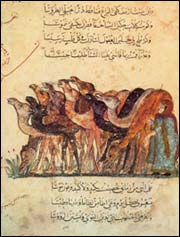
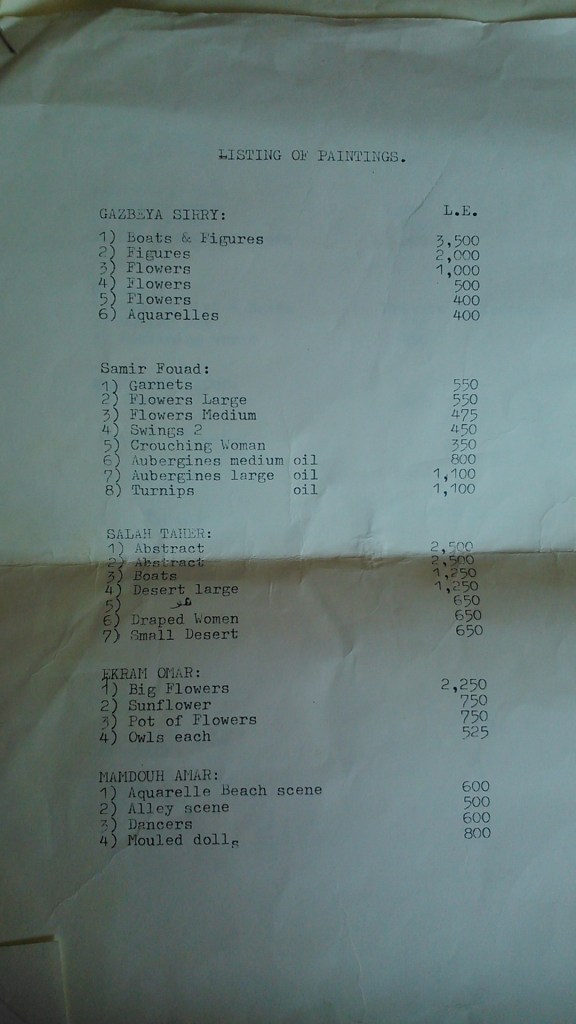


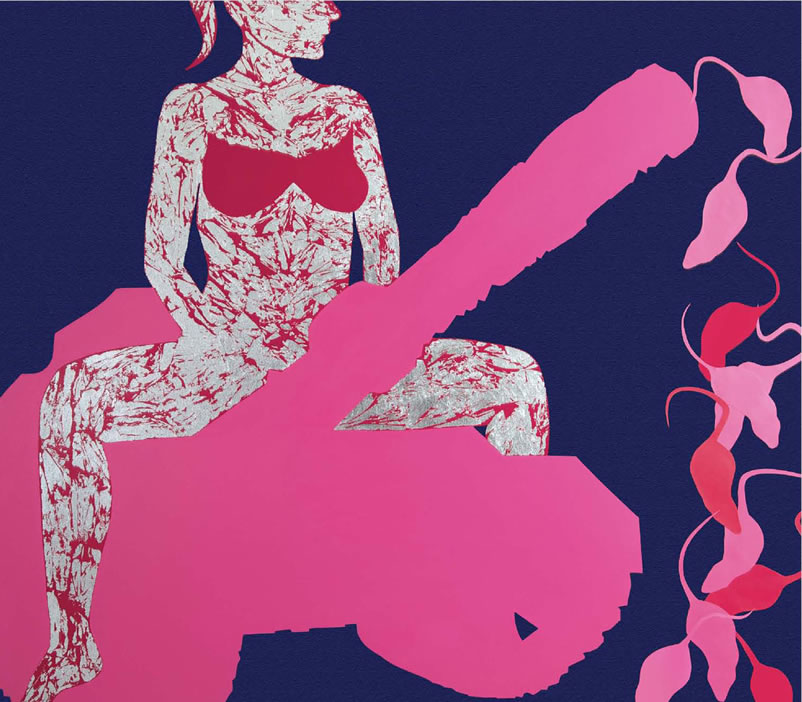

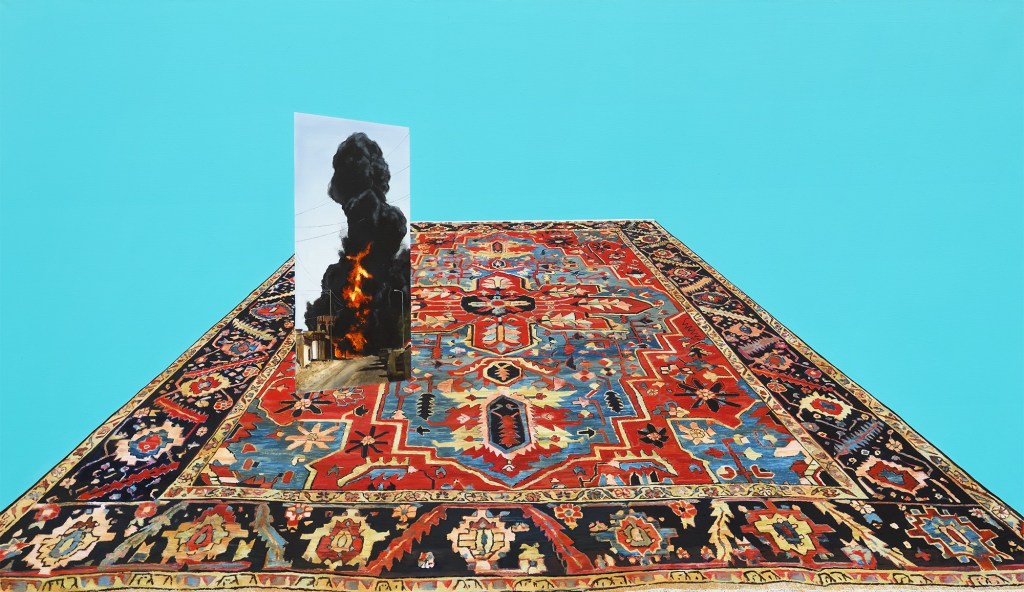
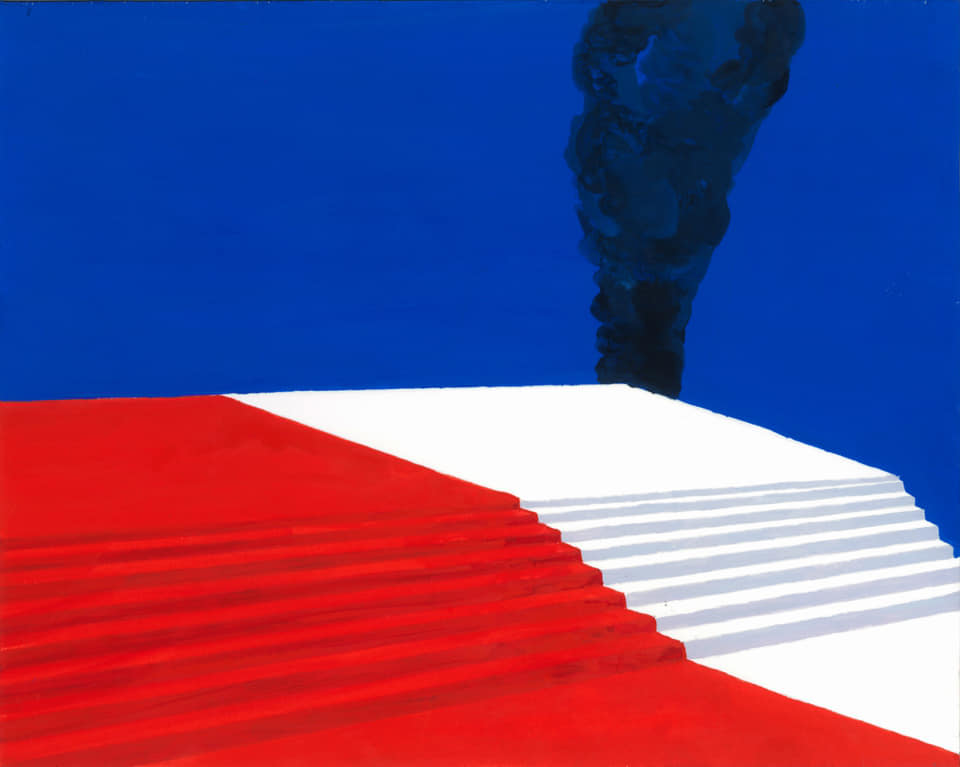
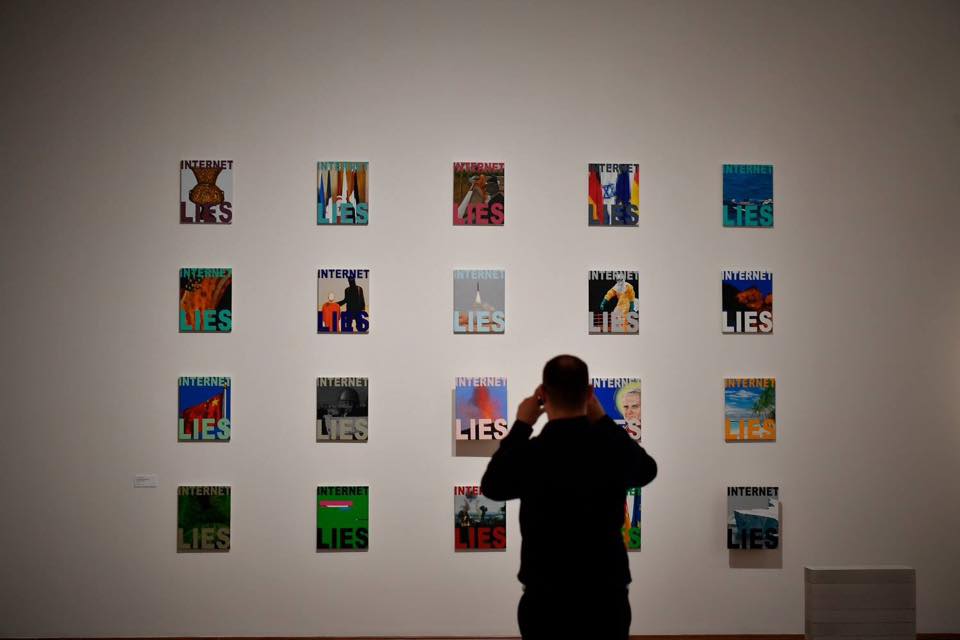


 وسع خيالك